From southeast England to California, decommissioned oil refineries are being reclaimed by nature. Now communities are campaigning to protect them
Abandoned oil refineries are emerging as unlikely havens for wildlife in the UK and across the pond in California, US, becoming sanctuaries for thousands of insects, birds, plants and other species.
Canvey Wick on the Thames estuary in Essex, UK, was plastered in silt and asphalt in the 1970s, turning once wildlife-rich grazing marshes into a barren industrial wasteland. However, the refinery project was shelved in the oil crisis of 1973, allowing nature’s cautious return.
The brownfield oasis was designated a site of special scientific interest in 2005. Today it is managed by the Royal Society for the Protection of Birds (RSPB) alongside partners at Buglife and the Land Trust, which owns Canvey Wick. A mosaic of flower-rich grassland has made it a hotspot for insects, including rare and threatened species such as the shrill carder bee.

A similar story is unfolding in West Coyote Hills near Fullerton, California. However, there the battle for land continues. Until the 1990s the area was an active oil field owned by energy company Chevron, which sold thousands of acres of land, but retained key sectors for development.
Over time, the landscape has begun to heal. More than 500 acres have regenerated into coastal sage scrub, alive with California gnatcatchers, a threatened bird species. Seasonal rains form vernal pools that support wildflowers and amphibians, remnants of a habitat now lost across most of California. For local residents, this recovering open space has become a rare ecological gem within an increasingly urban environment.
In the early 2000s, Chevron pushed forward plans to extract the site’s last bit of commercial value. It was this proposal that propelled local resident Angela Lindstrom into environmental activism. Thirty years later, as president of Friends of Coyote Hills, she leads a campaign to secure a nature preserve in Fullerton.
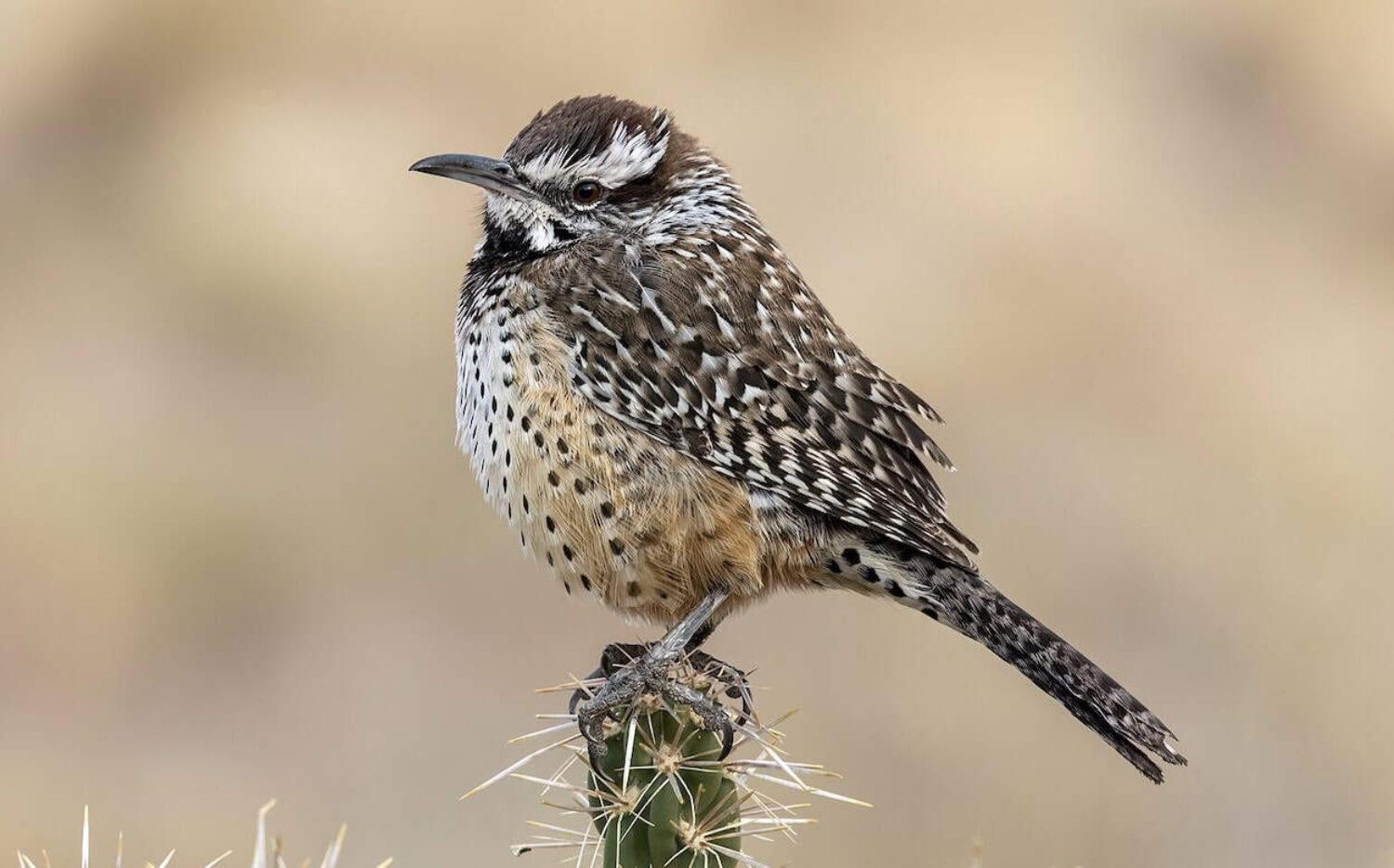
Cactus wrens are among the species that call the Coyote Hills home. Image: Polinova
Local resistance has forced major shifts. A 2012 city-wide referendum showed overwhelming opposition to Chevron’s development plans, and under sustained public pressure the city eventually purchased 24 acres next to the existing preserve for $18m (£13.5m).
The future of the remaining 483 acres remains uncertain. Valued at around $140m (£105m), the land relies on a combination of state, federal and philanthropic funding to be saved for conservation. Federal grant support is now uncertain, forcing California agencies to assemble alternative funding; roughly $70m (£52.4m) in state grants has already been secured. Chevron has signalled a willingness to sell by dropping the price to $95m (£71m), though negotiations continue.
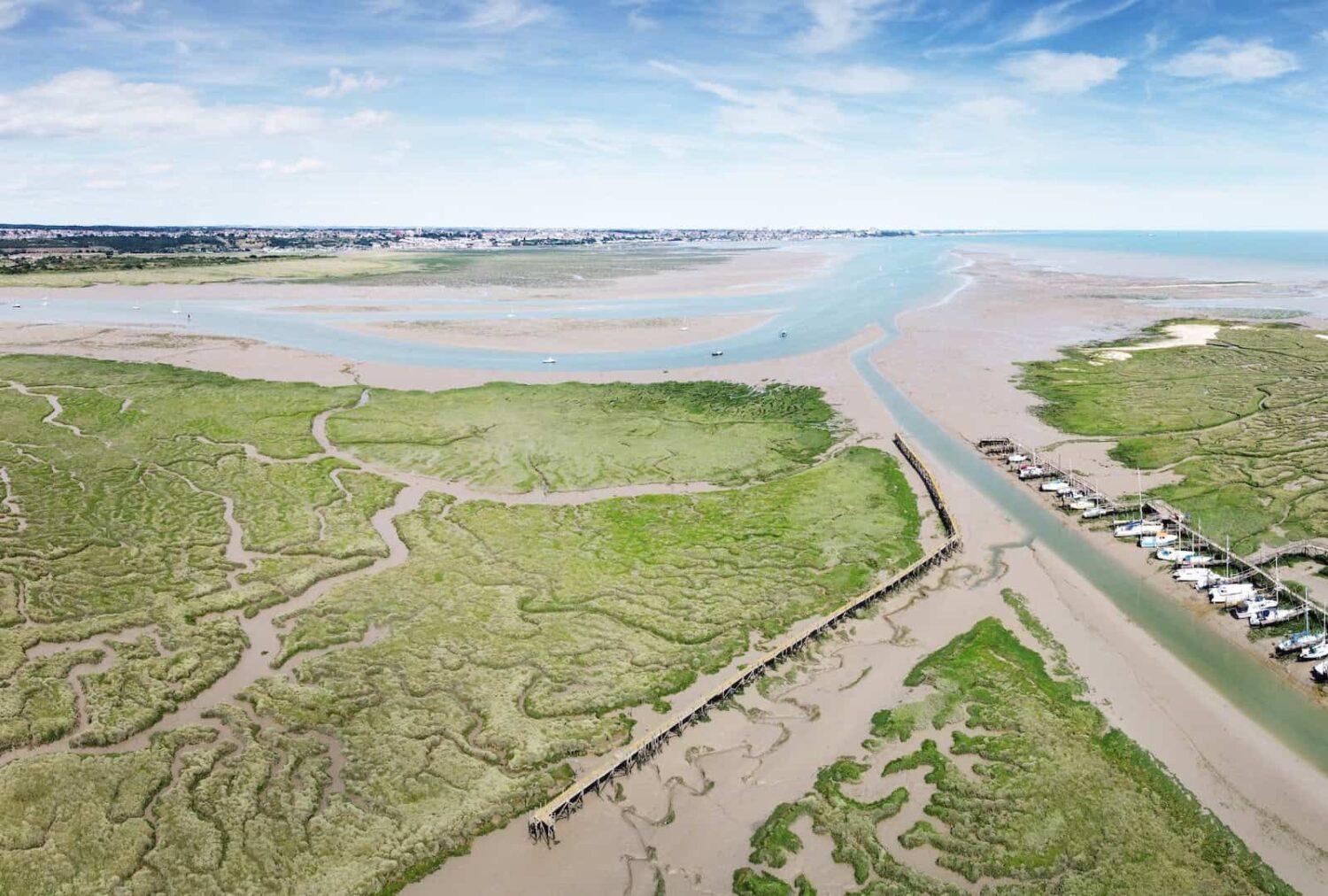
An aerial view of wetland at the end of Canvey Island, Essex. Image: Shutterstock
Meanwhile in Essex, nightingale numbers are on the rise, with 21 singing males recorded last year, up 61% on 2023. More than 3,200 species have been recorded at the site – “a fantastic success,” said Canvey Wick Nature Reserve manager, Marc Outten.
Alan Carter, CEO of the Land Trust, added: “Canvey Wick demonstrates how brownfield sites can be transformed into vibrant green spaces that serve the community and provide important habitats for wildlife.”
Main image: Carlos Moral Reis
Be part of the solution
At Positive News, we’re not chasing clicks or profits for media moguls – we’re here to serve you and have a positive social impact. We can’t do this unless enough people like you choose to support our journalism.
Give once from just £1, or join 1,800+ others who contribute an average of £3 or more per month. Together, we can build a healthier form of media – one that focuses on solutions, progress and possibilities, and empowers people to create positive change.