Europe’s largest restored oyster reef will soon take shape off the Norfolk coast, reviving a long-lost marine ecosystem
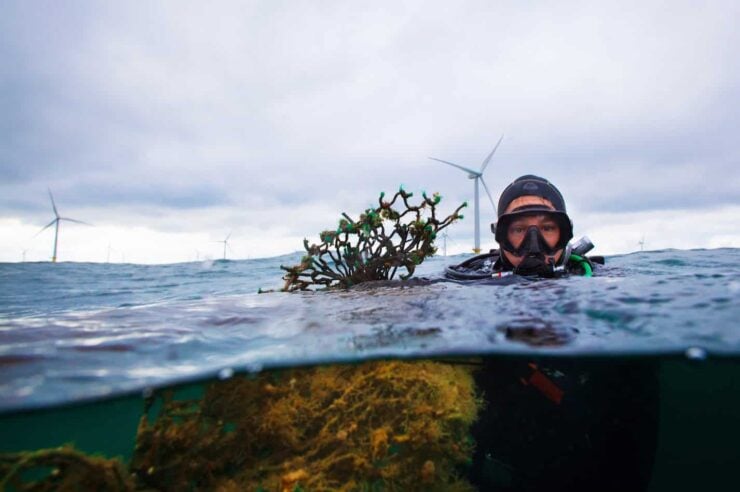
The UK is about to get Europe’s largest oyster reef, with four million native oysters set to be returned to the seabed off the coast of Norfolk (main picture) in eastern England. Conservationists say the scale of the project could transform local waters and provide a model for marine restoration across the continent.
By the end of 2026, 40,000 specially designed clay structures, known as ‘mother reefs’, will be placed on the seabed. Each is seeded with about a hundred juvenile oysters that will grow into adults, creating an interconnected reef system along the North Sea coast.
When mature, these reefs will filter millions of litres of seawater each day, stripping out pollutants and providing a home for diverse marine life.

Oyster reefs once covered more than a million hectares of Europe’s coastline, but overfishing, disease and pollution reduced them to near-extinction over the past century.
Their collapse meant not just the loss of a species, but the disappearance of an entire ecosystem. Restoring them, scientists say, is vital for healthier seas and more resilient coastlines.
The Norfolk project, led by Oyster Heaven with support from local aquaculture business Norfolk Seaweed, is also expected to create knock-on benefits for people.


“Reefs on this scale can create tipping points, bringing back biodiversity at a level we haven’t seen in living memory,” said George Birch, founder of Oyster Heaven. “It’s not just about oysters – it’s about rebuilding an ecosystem that benefits nature, climate and communities alike.”
Clearer waters and richer biodiversity can strengthen small-scale fisheries, while living reefs help lock away carbon and buffer coastal areas against storm surges.
“Building an oyster reef is fundamentally about scale: you need enough oysters to trigger population recovery and bring back the vibrant reef ecosystems, rich with life, that disappeared from the North Sea long ago,” says Birch. “Over time, the clay naturally degrades, but by then the oysters have established a self-sustaining, thriving reef that boosts biodiversity, improves water quality, and supports both climate resilience and coastal communities for generations to come.”
Main image: Philip Silverman/iStock
Be part of the solution
At Positive News, we’re not chasing clicks or profits for media moguls – we’re here to serve you and have a positive social impact. We can’t do this unless enough people like you choose to support our journalism.
Give once from just £1, or join 1,800+ others who contribute an average of £3 or more per month. Together, we can build a healthier form of media – one that focuses on solutions, progress and possibilities, and empowers people to create positive change.