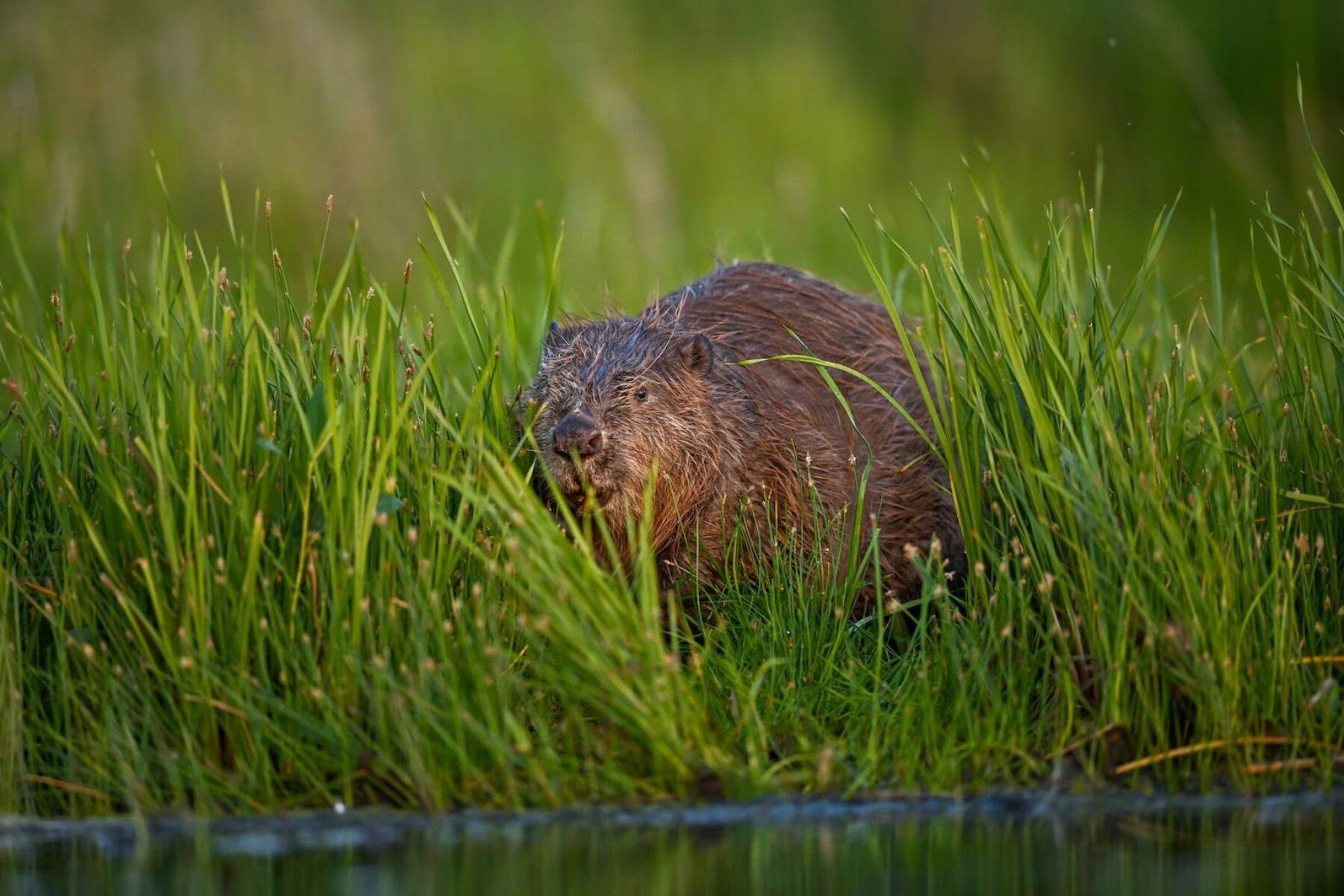
A London council was facing a big bill to solve a flooding problem – and then beavers came along and fixed it for free
Until recently, tiptoeing through floodwater to get to work was par for the course for Londoners living around Greenford Tube station. The ticket hall frequently found itself inundated after a heavy downpour. Sandbags were routinely deployed. Nearby neighbourhoods also flooded.
It left the local council facing the daunting prospect of expensive engineering works to solve the problem – that was until beavers came along and apparently fixed the problem for free.
“Even in situations like on Monday, where there was really heavy rainfall, the area didn’t flood,” said Şeniz Mustafa, England’s first urban beaver officer, who witnessed the animals’ handiwork firsthand. “When they put their minds to it, they really get things finished.”

Four centuries after being pushed to extinction in England, beavers were reintroduced to Paradise Fields – a 10-hectare former golf course in Ealing borough – in 2023.
Keen to demonstrate how ‘nature’s engineers’ could make London more climate resilient, conservationists were granted a licence to release five of the animals along the stream running through the land. The Ealing Beaver Project was born.
The animals got to work immediately, reengineering the landscape around Greenford with a series of dams, which created a new lake almost overnight. They even dismantled an old dam built by volunteers and replaced it with a better one of their own. Incredibly, they still had time to breed – producing a litter within a year of arriving.
“I just can’t believe how much they’ve done in a short period of time, they basically said ‘step aside, humans’,” Mustafa told Positive News. “We do make things a little bit hard for ourselves. It goes to show that we don’t have to use heavy machinery or build infrastructure, nature can do it.”
The beavers’ handiwork has not only helped alleviate flooding; it’s also boosted biodiversity.
“We’ve had four new species in the last 11 months alone. One of them is the stickleback, which lives alongside dragonflies and damselflies. We also had red pole, which is a bird that only really stops off on migration,” said Mustafa.
It goes to show that we don’t have to use heavy machinery or build infrastructure, nature can do it
“The diversity is great. This month we’ve had at least 14 different species of butterfly. There are tadpoles, freshwater shrimp, toads, too. None of that would have happened without beavers.”
“It’s interesting to see how other wildlife will just recolonise and return to a space.”
It’s a boon for humans, too, especially in a city where access to nature is limited. “The benefit to the local community is massive,” said Mustafa. “[The animals] have completely transformed my perspective of what beavers can do.”
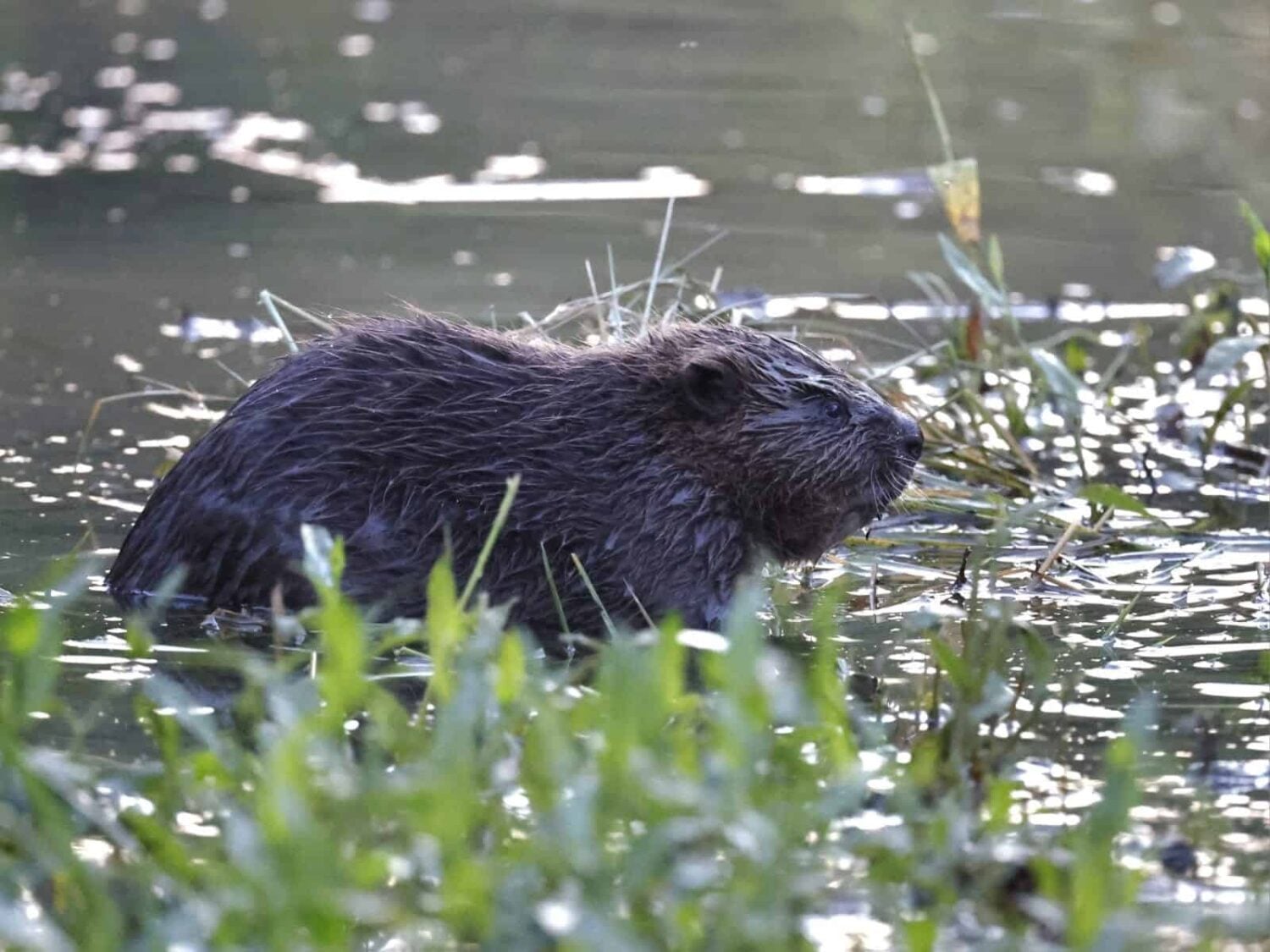
'When they put their minds to it, they really get things finished,' says Mustafa. Image: Cathy Gilman
The Ealing Beaver Project is a collaboration between Ealing Wildlife Group, rewilding organisation Citizen Zoo, the Friends of Horsenden charity and Ealing Council, with support from Beaver Trust and the Mayor of London.”
“We are facing climate and ecological emergencies worldwide, but we have the power to make a difference,” London Mayor, Sadiq Khan, told Positive News after the beavers were released.
“I am committed to ensuring that London is at the forefront of the rewilding revolution as we work to re-establish lost species and reconnect people and nature.”
Main image: iStock
Be part of the solution
At Positive News, we’re not chasing clicks or profits for media moguls – we’re here to serve you and have a positive social impact. We can’t do this unless enough people like you choose to support our journalism.
Give once from just £1, or join 1,800+ others who contribute an average of £3 or more per month. Together, we can build a healthier form of media – one that focuses on solutions, progress and possibilities, and empowers people to create positive change.