In an era of climate anxiety, a Dutch nonprofit is developing river-based technology that could dramatically cut ocean plastic within decades
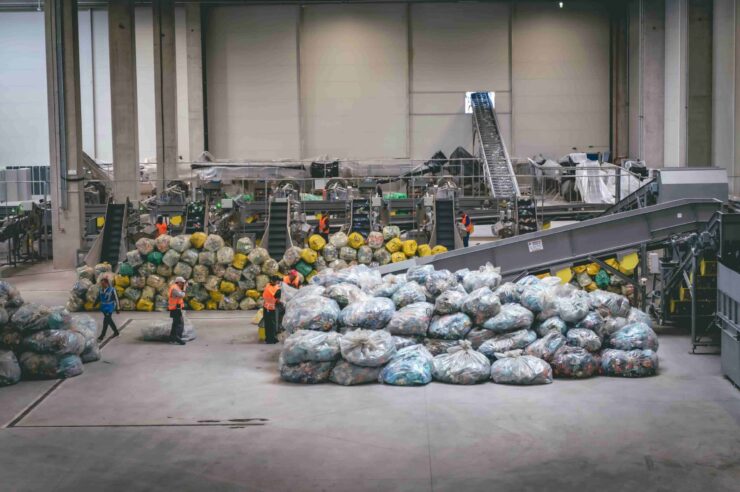
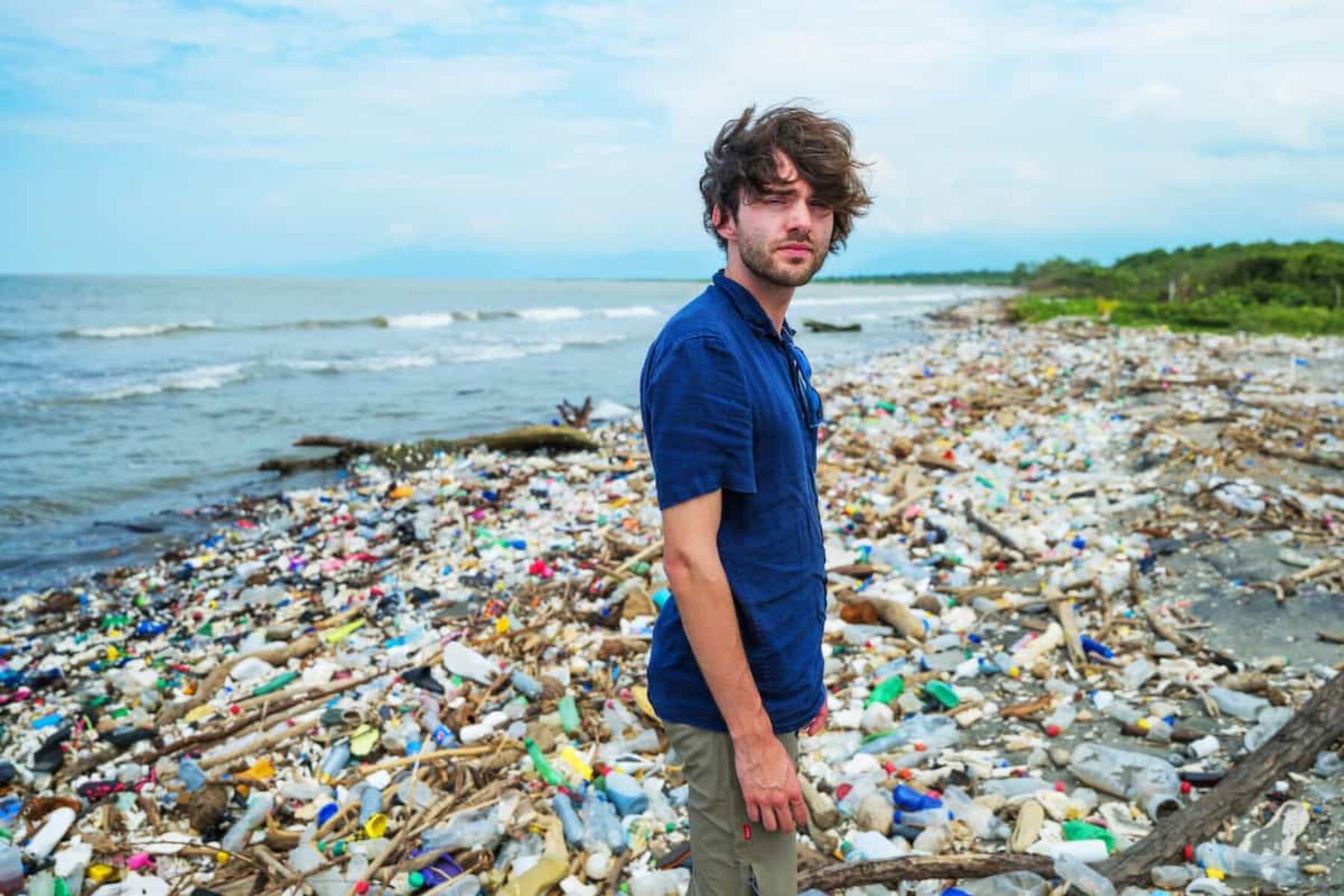
Dutch inventor Boyan Slat believes that the world’s ocean plastic crisis could be dramatically reduced within the next 15 years – and for less than $1bn (£750m). His nonprofit organisation, The Ocean Cleanup, is already deploying technology designed to stop waste before it reaches the sea.
The approach focuses on rivers, where much of the world’s ocean plastic originates. Floating barriers trap debris as it flows downstream, while autonomous ‘interceptor’ boats equipped with conveyor belts collect the waste and send it for recycling or disposal. The systems are already operating in rivers across Indonesia, India, Colombia, the Philippines and the Caribbean.
According to Slat, targeting just 30 cities could prevent around a third of the plastic currently entering the oceans.

Slat claims that the Motagua river in Guatemala sends more plastic into the sea than all 38 members of the OECD. “That one river is about 2% of global plastic emissions,” he said.
His team aims to tackle these hotspots by 2030, a programme he estimates would cost about $350m (£263m). The longer-term goal is to stop 90% of floating plastic pollution from reaching the sea by 2040, while also clearing existing accumulation zones such as the great Pacific garbage patch.
The world needs a success story
Slat, now 31, left his aerospace engineering studies to pursue the idea more than a decade ago. Since then, the organisation says it has already removed nearly 50m kilograms of plastic waste from rivers and oceans around the world.
“The world needs a success story. There is a lot of pessimism, a lot of fatalism, especially among people of my generation,” Slat told the Times. “But if we can say, ‘There was a time when the oceans were filled with plastic, that two thirds of the planet was polluted, and then we solved it’ – I think that will be a case of action inspiring action.
Main image: The Ocean Cleanup
Be part of the solution
At Positive News, we’re not chasing clicks or profits for media moguls – we’re here to serve you and have a positive social impact. We can’t do this unless enough people like you choose to support our journalism.
Give once from just £1, or join 1,800+ others who contribute an average of £3 or more per month. Together, we can build a healthier form of media – one that focuses on solutions, progress and possibilities, and empowers people to create positive change.