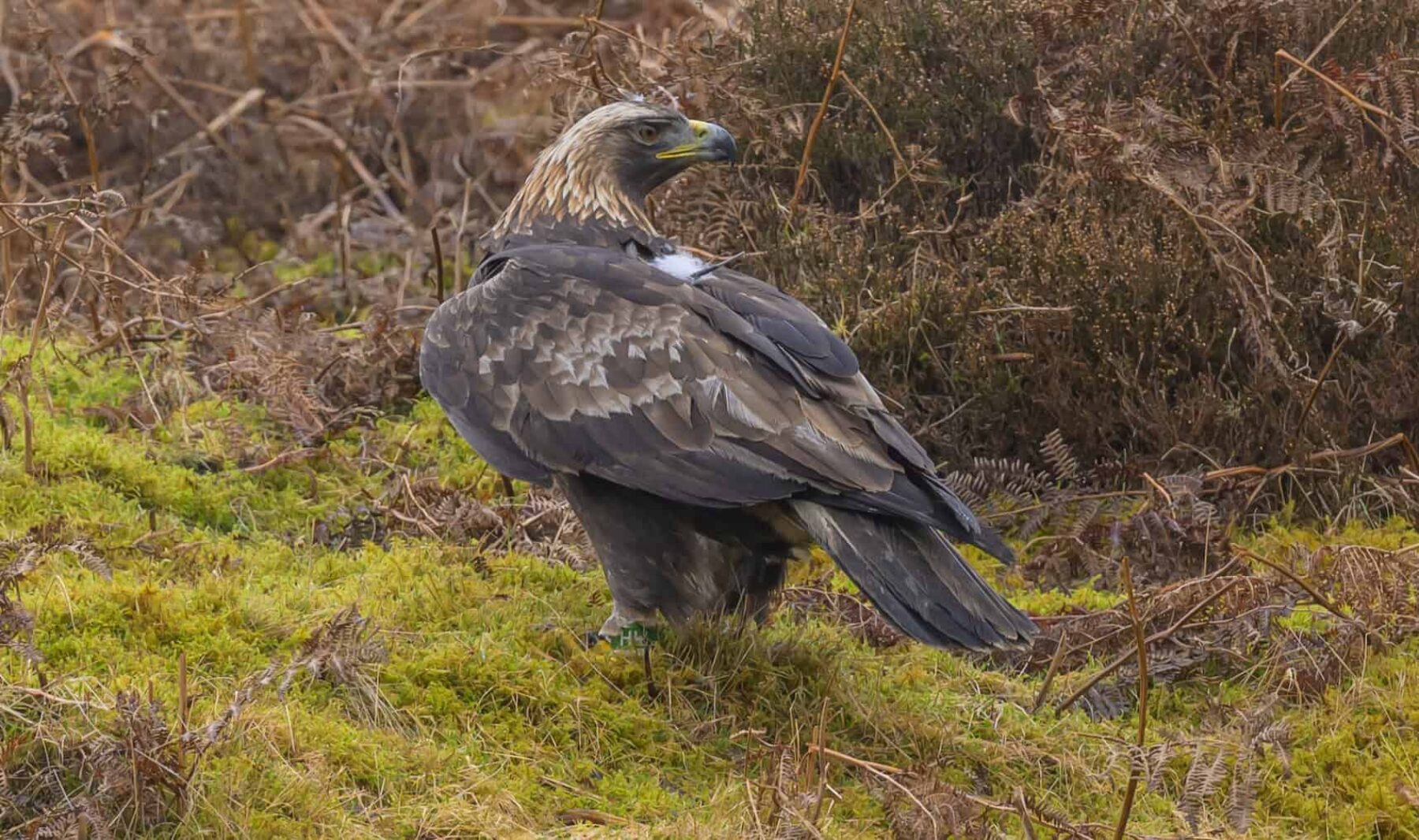
Golden eagles are poised for a comeback in England after the government backed plans to reintroduce them. The birds might arrive under their own steam first, though
One of Britain’s most iconic birds, the golden eagle, could soon soar over England again after more than 150 years of absence, following new government backing for a recovery programme that blends conservation science with community-led action.
Once widespread across England and woven into the country’s cultural fabric – appearing more than 40 times in the works of William Shakespeare – golden eagles were driven to near extinction during the Victorian era through sustained persecution and habitat pressure. In modern times, sightings south of the Scottish border have been rare, and the last known eagle in England died in the Lake District in 2016.
Now, a new feasibility study by Forestry England suggests that the conditions for their return may finally be in place. The research identifies eight potential recovery zones, primarily across northern England, where landscapes could once again support sustainable populations of the birds.
Backed by £1m in government funding, the next phase will explore how a reintroduction could work in practice. This may include the release of juvenile birds, aged six to eight weeks, as early as next year. The aim is not only to restore a lost species, but to rebuild the ecological balance that golden eagles once helped maintain.
“This government is committed to protecting and restoring our most threatened native wildlife – and that includes bringing back iconic species like the golden eagle,” said Environment Secretary Emma Reynolds. “We will work alongside partners and communities to make the golden eagle a feature of English landscapes once again.”
The proposal builds on recent momentum in species restoration across England. Last year, the government approved the reintroduction of Eurasian beavers into the wild, while a separate £60m funding package has been earmarked to protect threatened native species. Together, these moves signal a shift towards more ambitious, ecosystem-level approaches to conservation.
Golden eagles are considered a keystone species – a predator at the top of the food chain whose presence can influence the health of entire ecosystems. By regulating prey populations and shaping animal behaviour, they help maintain balance across landscapes, from upland moors to forest edges. Their return could therefore have wider benefits for biodiversity, particularly in areas where ecosystems have become degraded or simplified.
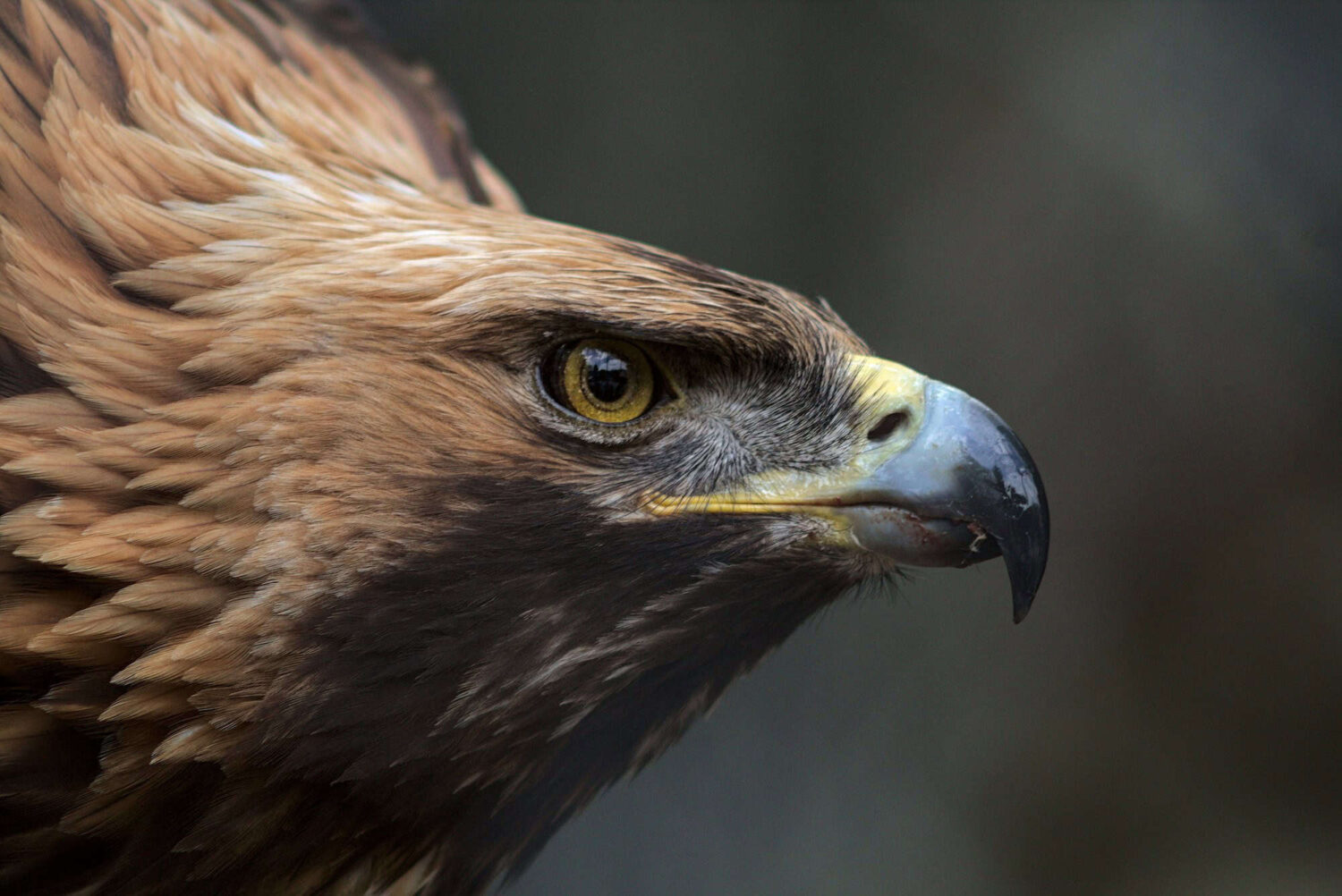
Research by Forestry England identifies eight potential recovery zones, primarily across northern England, where landscapes could once again support sustainable populations of the birds. Image: Dmitry Grigoriev
There are already signs that nature is beginning to do some of the work itself. In southern Scotland, the South of Scotland Golden Eagle Project has successfully boosted eagle numbers through translocation and habitat management. Satellite tracking shows that some of these birds are now venturing across the border into northern England, hinting at a natural recolonisation that could be supported and accelerated.
The new programme aims to build on that success. Led by conservation charity Restoring Upland Nature in partnership with Forestry England and other organisations, it will focus as much on people as on wildlife.
“This presents a truly exciting, and potentially game-changing moment for the return of golden eagles to northern England,” said the charity’s chief executive, Cat Barlow. “Our success to date is testament to the strength of collaborative working between conservationists, raptor study groups, gamekeepers and land managers, and to the incredible support of thousands of people across communities in southern Scotland.”
That emphasis on collaboration is critical. Past attempts to protect birds of prey in the UK have often been undermined by conflict between conservation goals and land management practices, particularly in upland areas associated with game shooting. The new approach seeks to avoid those tensions by involving farmers, landowners, gamekeepers and local communities from the outset, ensuring that any reintroduction supports both nature and livelihoods.
Forestry England’s chief executive, Mike Seddon, said the organisation’s long-term ambition is for the nation’s forests to become “the most valuable places for wildlife to thrive and expand”. He added that reintroducing lost species is a key part of that vision, but must be done carefully and inclusively.
This presents a truly exciting, and potentially game-changing moment for the return of golden eagles to northern England
“The detailed findings of our feasibility study will guide us with our partners to take the next steps,” he said. “This funding means we can build support and engage with local communities, landowners and conservation organisations.”
If successful, the timeline for recovery will be gradual. Scottish birds may become a more regular sight over northern England within a decade, but establishing a stable, breeding population is likely to take longer. Golden eagles are slow to mature and require large territories, meaning that population growth is measured over generations rather than years.
Still, the symbolic power of their return is hard to overstate. As one of Britain’s largest birds of prey, with a wingspan that can exceed two metres, the golden eagle has long captured the public imagination. Its absence from English skies has been both an ecological and cultural loss.
Reintroducing such a species is not without challenges, and success will depend on sustained funding, careful monitoring and continued public support. But the groundwork now being laid suggests a more mature model of conservation is taking hold – one that recognises that restoring nature is as much about people and partnerships as it is about wildlife.
The initiative forms part of the government’s broader Environmental Improvement Plan, which includes targets to halt the decline in species abundance by 2030 and reduce extinction risk by 2042. Achieving those goals will require not just protecting what remains, but actively rebuilding what has been lost.
Main image: Department for Environment, Food and Rural Affairs (Defra)
Be part of the solution
At Positive News, we’re not chasing clicks or profits for media moguls – we’re here to serve you and have a positive social impact. We can’t do this unless enough people like you choose to support our journalism.
Give once from just £1, or join 1,800+ others who contribute an average of £3 or more per month. Together, we can build a healthier form of media – one that focuses on solutions, progress and possibilities, and empowers people to create positive change.