Red light therapy can help bee colonies to live longer and pollinate more effectively, studies claim
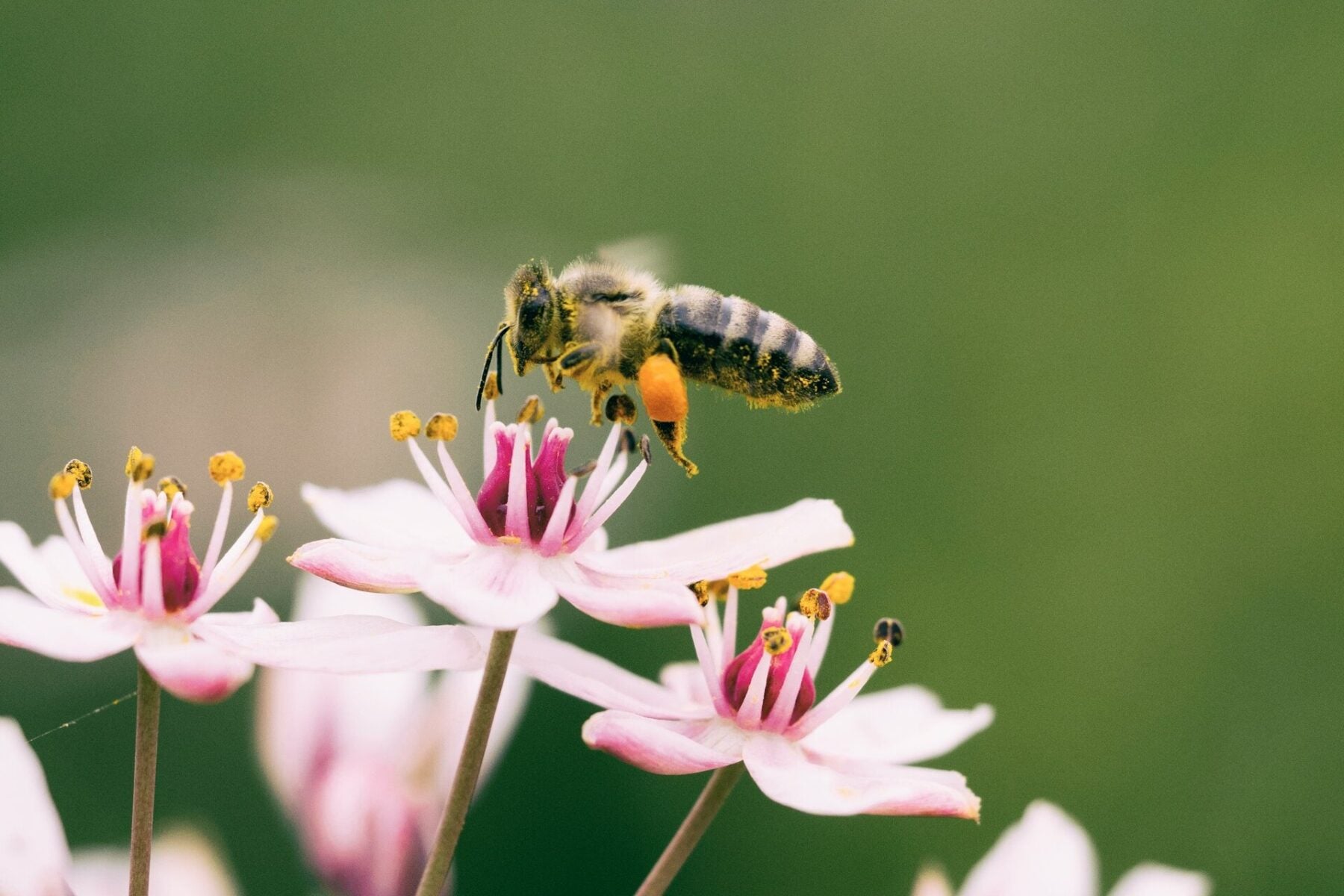
Red light therapy has long been used by humans to improve skin health, slow signs of ageing and soothe sore muscles – now the treatment is giving a glow-up to one of our most vital pollinators: bees.
It works by stimulating the mitochondria – the powerhouses of living cells – boosting efficiency and catalysing tissue regeneration.
The brains behind Beefutures, an agritech outfit based in France and Norway, claim studies show bees enjoy the same benefits when exposed to red and near-infrared light.
Colonies given the red light treatment were better able to cope with stressors like heat, extreme weather and pesticides than those without, living longer and pollinating more effectively, the company said. The company has since launched Onibi light, a world-first, in-hive therapy light for bees, developed in partnership with University College London (UCL).
According to Ecowatch, nearly 60% of US honeybee colonies were lost last winter, with French beekeepers reporting losses of up to 50%. “When the bees stop buzzing, our food stops growing. That’s the real story. And this is what Onibi Light is all about,” said Christophe Brod, CEO of Beefutures.
Trials by UCL showed that colonies exposed to pesticides or transport stress got back to being busy bees within days when supported by the gadget.
“Our research shows that treated bees experience enhanced cellular respiration, improved visual acuity and stronger immunity,” said Glen Jeffery, professor of neuroscience at UCL.
Brod added: “Stronger bees mean stronger food systems. With Onibi Light, we are giving beekeepers and growers a practical tool to protect the very foundation of agriculture.”
Main image: Aaron Burden
Be part of the solution
At Positive News, we’re not chasing clicks or profits for media moguls – we’re here to serve you and have a positive social impact. We can’t do this unless enough people like you choose to support our journalism.
Give once from just £1, or join 1,800+ others who contribute an average of £3 or more per month. Together, we can build a healthier form of media – one that focuses on solutions, progress and possibilities, and empowers people to create positive change.