A third of cancer cases found to be ‘avoidable’, Africa powered ahead on solar, and the push for global tax justice gathered pace, plus more good news
This week’s good news roundup

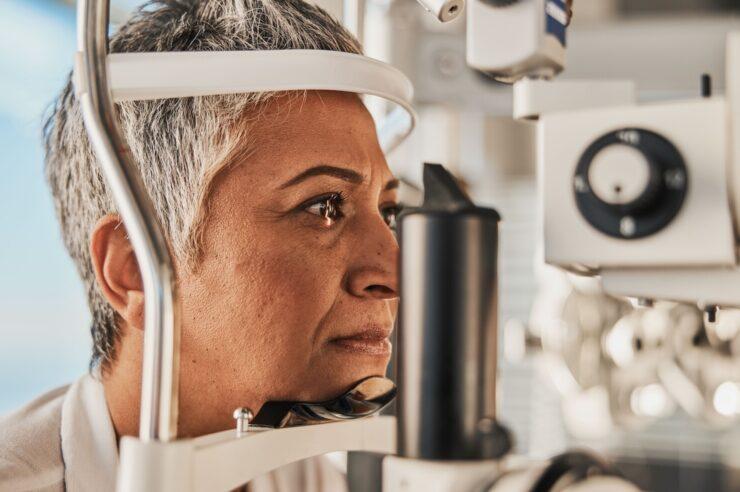
A giant study of cancer cases spanning millions of diagnoses across 185 countries suggests that more than a third are preventable.
Researchers found that 7.1m cases were down to “modifiable risk factors” – habits that can be changed or managed. Lifestyle choices have a major impact on our chances of developing the disease, meaning there are pathways towards prevention.
Smoking, cancer-causing infections and drinking alcohol emerged as the three leading contributors to cases globally. Other risks include high body mass index, lack of exercise and air pollution.
Three cancer types – lung, stomach and cervical cancer – accounted for almost half of preventable cases. A vaccine tackling the latter has been shown to be highly effective. In 2024, a study revealed that no cases of cervical cancer had been detected in young women in Scotland who received it.
“Addressing these preventable causes represents one of the most powerful opportunities to reduce the global cancer burden,” said study author Dr Isabelle Soerjomataram of the World Health Organization (WHO).
The news comes as scientists hail a “golden age” of cancer interventions, with new gene therapies and drugs treating the previously untreatable. The chances of surviving the disease have doubled in England and Wales since 1973, with a similar trend observed in the US.
Image: Anthony Tran

Africa had a dazzling year for solar growth in 2025, with installations soaring by 54% – the sharpest acceleration to date, according to the Global Solar Council (GSC).
More than half of the growth came from utility-scale installations, but the GSC’s analysis of solar equipment import data points to households and businesses driving adoption, too.
The news comes after data revealed that cheap electrotech is enabling India “to industrialise without the long fossil detour taken by China and the west”.
“Solar plus storage is the hope of Africa,” said Sonia Dunlop, CEO of the GSC. “This is the technology that can bring energy access, sustainable development, green growth and resilience to natural disasters and extreme weather.”
Meanwhile, UK government data out this week shows that 2025 marked a 10-year high for solar deployment, and set a new record for small-scale installations such as rooftop arrays – up 32% compared to 2024.
Meanwhile, analysis from the thinktank Ember found that storms blowing through the country’s windfarms saved the UK £164m in gas purchases.
Image: Tobias Reich
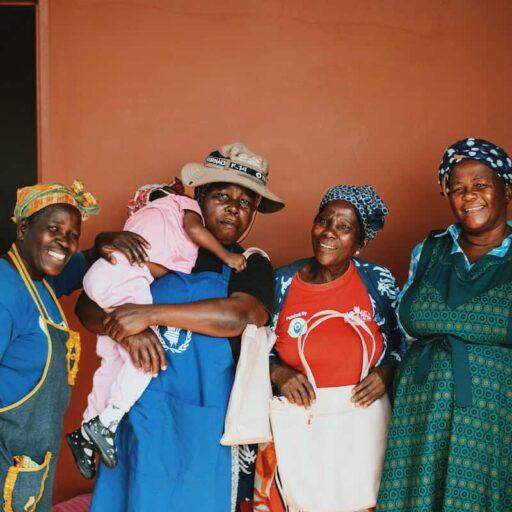
Plans to make fossil fuel companies pay for climate damage, alongside measures to increase taxes on the uber-rich, were discussed by the UN this week, as negotiations resumed on a global wealth tax.
A coalition of African states floated the idea of a global tax treaty back in 2022 as a way of tackling inequality and funding climate action.
The UN Framework Convention on International Tax resumed this week at the global body’s New York headquarters. Despite hosting the talks, the US has withdrawn.
The UK-based Tax Justice Network (TJN) said the talks, which will also examine initiatives to curb tax abuse, are “a last chance” for Europe to tackle tax-dodging US multinationals. The campaign group estimates that they cost the bloc €14bn (£12.1bn) a year in lost revenue.
“The outcome of the talks will impact people everywhere, and shape economies and livelihoods for generations to come,” said the TJN. “On the line is not just trillions of dollars in countries’ tax revenues, but the sustainability of democracies, human rights and the planet.”
Image: Michael Ali

Gaza’s lifeline Rafah border crossing with Egypt finally reopened this week, bringing hope – and some trepidation – to the thousands of Palestinians waiting for medical treatment.
A reported 20,000 sick and wounded Palestinians require urgent care in Egypt and have been waiting to cross the border.
Although Israeli authorities opened passage to civilians on Monday, the concession comes with several limitations. Only 50 patients a day – on foot and with just one or two relatives – will be allowed to make the crossing. Just a handful made it through on the first day.
For the time being, passage of goods is banned and returning Palestinians are subject to strict security checks. Oxfam welcomed the reopening but said constraints should be urgently scrapped.
“People, goods and humanitarian assistance must be able to move safely, unhindered and in line with international law,” said the charity’s policy lead, Bushra Khalidi. “Rafah needs to operate consistently, predictably, and at a scale that reflects the catastrophic needs in Gaza – starting with, but not limited to, medical evacuations.”
Image: Levi Meir Clancy

Electric vehicles, solar power and other green tech supercharged China’s economic growth in 2025, according to new analysis published by Carbon Brief.
China’s clean energy sectors drove more than a third of its economic growth and was responsible for 90% of the increase in investment. In total it brought in business worth 15.4tn yuan (£1.6tn) – a sum comparable with the entire gross domestic product of Brazil.
The country’s clean tech sector has doubled in real value in the three years to 2025, said Carbon Brief. If it was a standalone country, it would rank as the world’s eighth-largest economy.
EVs and batteries delivered half the growth – more than half of all cars sold in the nation are now EVs. The lightning pace of wind and solar rollout also played a major role in the economic uplift, with domestic markets outstripping export opportunities.
Image: Raj

Work on a multi-billion dollar windfarm off the coast of New York is set to resume after federal judges blocked a stop-work order imposed by the Trump administration.
The ruling means that all the wind projects halted in December on grounds of “national security” have now been overturned by the courts.
Three of the affected windfarms were given the green light to resume by judges last week. The latest ruling applies to Ørsted’s Sunrise project off Long Island. It’s 45% complete and slated to come online in October.
Ørsted said that it would “restart impacted activities immediately”.
Image: Shaun Dakin

The UK’s House of Lords has backed plans to ban smartphones in school hours.
Education secretary Bridget Phillipson has previously written to headteachers advising schools should be phone free for the whole day, breaks included. For now, the missive lacks legal force – but that could be set to change.
This week, the Lords voted 178 to 140 in favour of a Conservative amendment to the Children’s Wellbeing and Schools Bill, which would implement a blanket phone ban on English schools. The legislation will now return to the House of Commons for consideration by MPs.
The debate over smartphone use by children and online harms comes hot on the heels of a study which revealed that classroom phone bans equate to better grades.
“We need to reset our own and our children’s relationship with smartphones and social media, as smartphones are so often the gateway drug to social media,” said shadow education minister Baroness Diana Barran.
“This is essential given everything we know about the impact of extensive screen time on a child’s ability to learn, to concentrate and to get a good night’s sleep.”
Image: Shutterstock

The UK government is to pick up the tab for travel expenses incurred by families of children in England having cancer treatment, it was announced this week.
A third of child cancer patients face long journeys of over an hour to reach one of 13 specialist treatment centres. Costs can rack up to hundreds of pounds a month, with families going into debt to cover the outlay.
But the announcement of a £10m-a-year support package is set to ease the burden by reimbursing young people’s costs up to the age of 24. It’s part of a wider drive to transform child cancer care, which includes earlier diagnoses and better access to clinical trials.
Health Secretary Wes Streeting said: “Our plan will leave no family out of pocket while their child goes through cancer. It doesn’t matter what you earn – if your child needs treatment, we will help you get them there.”
Image: Richard Stachmann

Rap icon Stormzy has thrown his support behind a national book campaign aimed at enticing non-readers.
UK charity The Reading Agency marks 20 years of its Quick Reads campaign in 2026, which is also the National Year of Reading.
The initiative partners with bestselling authors to create short, accessible books which sell for just £1, with the aim of encouraging new, lapsed and neurodivergent readers, as well as people with short attention spans.
This year’s titles – spanning thrillers, romance and contemporary fiction – hit the shelves in April. For the first time, they’ll be available in audiobook format, while half a million copies will be gifted to prisons across the UK. The works include Hunger Pains, written by Derek Owusu and published by Stormzy’s publishing imprint #Merky Books.
“I encourage anyone who doesn’t usually read to pick up a Quick Read – because reading really is a superpower.” Stormzy said. “Music and books are both about finding your voice. We are all made of stories – they define who we are.”
Image: Adama Jalloh

Keir Starmer has announced an additional £500m for Pride in Place, bringing total funding for the programme to £8.5bn. The long-term initiative aims to support disadvantaged neighbourhoods, with around 95 areas set to receive an immediate £1.5m Impact Fund for quick, visible improvements to parks, community spaces, high streets and other local infrastructure. A further 244 neighbourhoods will receive up to £20m over 10 years to support deeper, long-term change.
Rather than a top-down model led by central government, funding decisions will be overseen by Neighbourhood Boards made up of local residents, councillors and MPs.
“I have this very strong sense that wherever you go, people have real pride in their own place and ambition,” Starmer told Positive News editor Tom Pattinson at a sit-down meeting yesterday. “They want to do more for their community, and that formed the basis of the idea of Pride in Place.”
“We must reverse the devastating decline in our communities and give power, agency and control to the very people who want to improve their community – those who have skin in the game,” he added.
Image: No.10 Downing Street
Get your weekly fix of good news delivered to your inbox every Saturday, by signing up to the Positive News email newsletter
Support solutions in 2026
At Positive News, we’re not chasing clicks or profits for media moguls – we’re here to serve you and have a positive social impact. We can’t do this unless enough people like you choose to support our journalism.
Give once from just £1, or join 1,800+ others who contribute an average of £3 or more per month. Together, we can build a healthier form of media – one that focuses on solutions, progress and possibilities, and empowers people to create positive change.