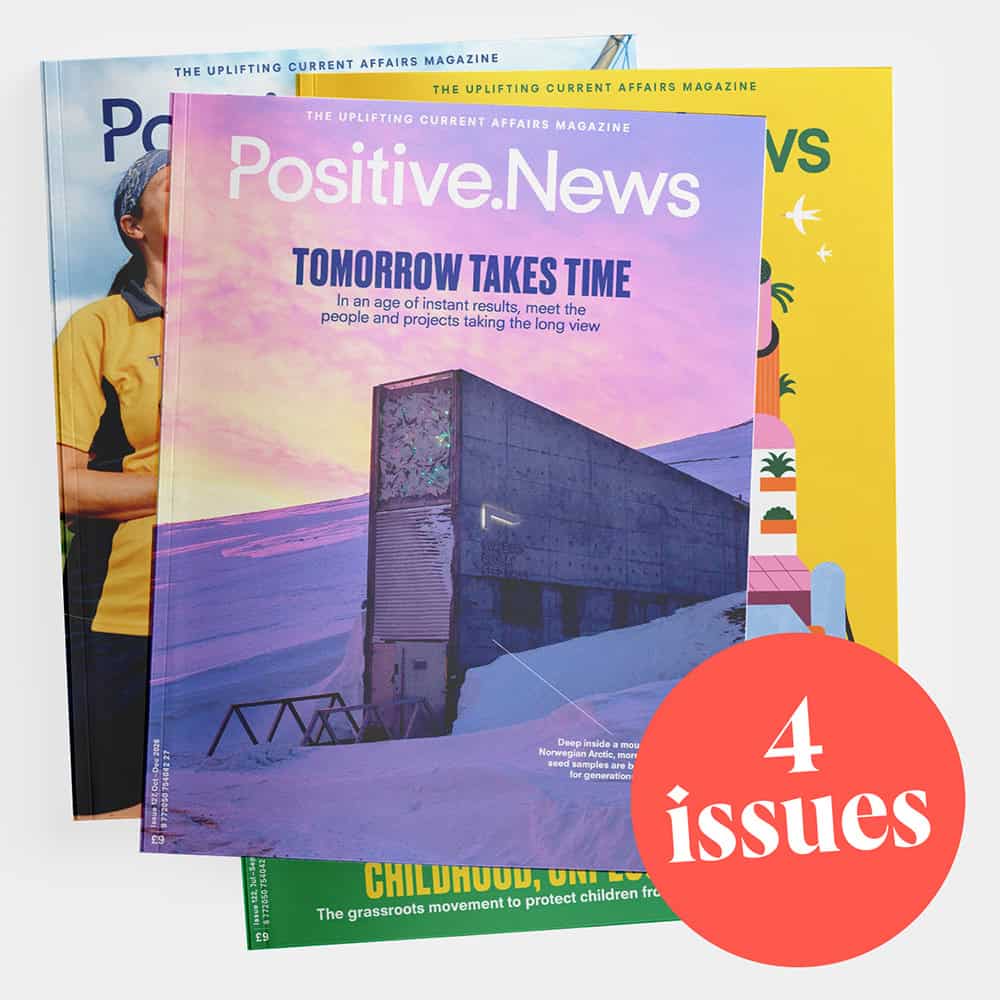
Rewilding successes, homes made out of old wind turbines and – yes – cute fluffy things. Here are the stories that engaged you this year
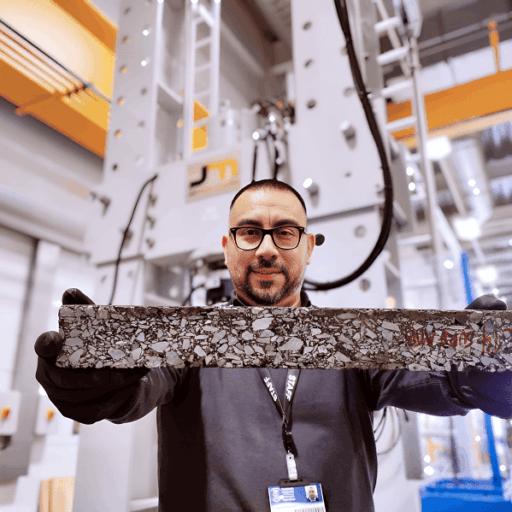
It’s always the ones you least expect. Proving that potholes stir passion was this piece about a self-healing road surface inspired by nature. The asphalt contains plant-based spores that are packed with recycled oils. When the road is compressed, the oils seep out, sealing fractures. Cyclists and motorists rejoice.
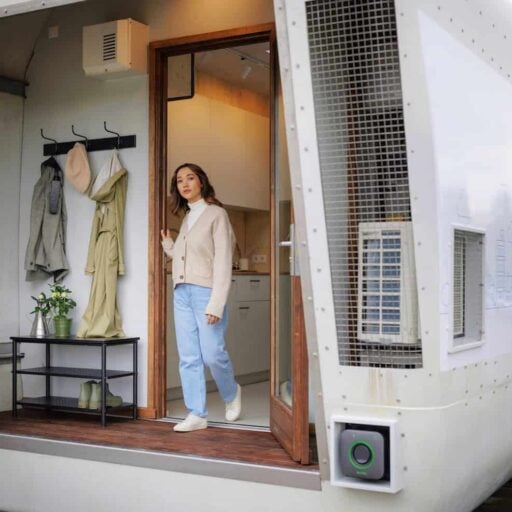
While the world’s rapid embrace of renewables is a cause for celebration, it poses a thorny question: what to do with all the turbines when they reach the end of their working lives? The Swedish energy company Vattenfall posited an elegant solution: repurpose them as tiny homes. It’s a nifty idea that also addresses the housing crisis.
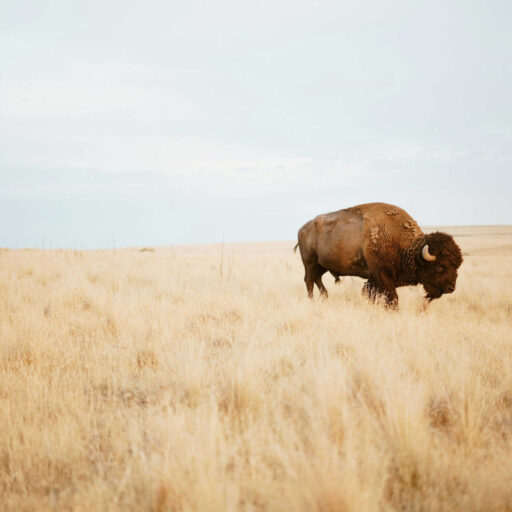
A comeback story with a ripple effect. As many readers will know, the return of keynote species to ecosystems usually brings other benefits. This was demonstrated by Yellowstone national park this year where a striking ecological recovery is underway thanks to the return of one of the US’s most iconic species, the bison.
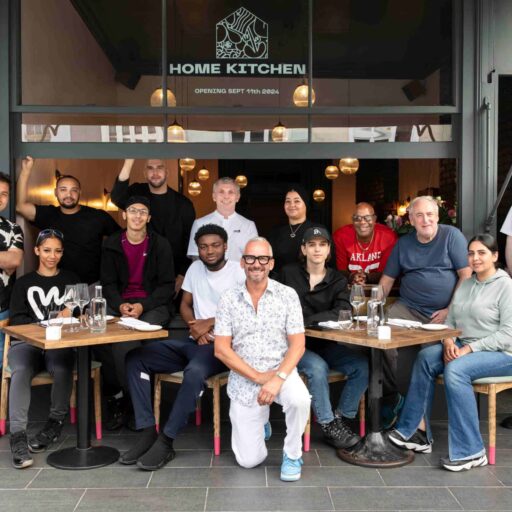
Home Kitchen, one of London’s buzziest new restaurants, looks like most other fine dining establishments at first glance. But there’s more to this place than meets the eye, as Positive News reported in February. Not only is the restaurant run not-for-profit, but nearly all of the staff members have experienced homelessness: a first of its kind in the fine-dining industry.
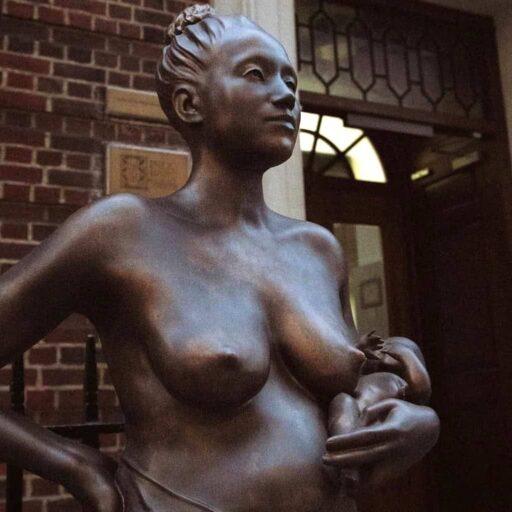
Sticking with London, the English capital unveiled a striking new statue celebrating the unseen strength of mothers in 2025. Animals are twice as likely to be immortalised in bronze as women in the English capital – the new statue challenges that invisibility. “Motherhood is at once everyday and extraordinary,” said Rayvenn Shaleigha D’Clark, its creator. “By honouring the postpartum body, we’re recognising the courage of women everywhere.”
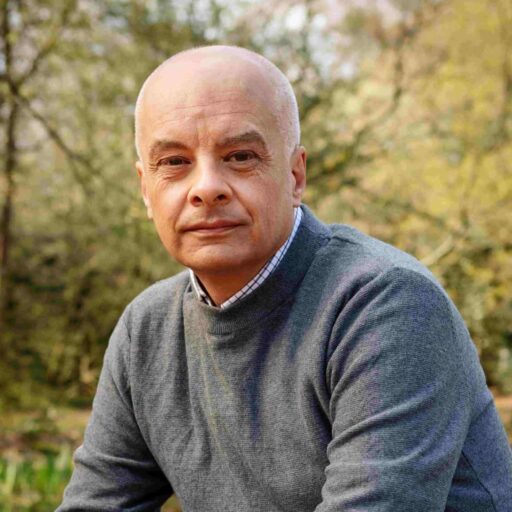
For almost 20 years, Nigel Bromage was a leading member of the British far right, going on to join the openly neo-Nazi organisation Combat 18. After renouncing his hate-filled past, he formed Small Steps, an organisation made up of fellow reformed neo-Nazis, to try and prevent others following a similar route. His story resonated as the far right went on the march.
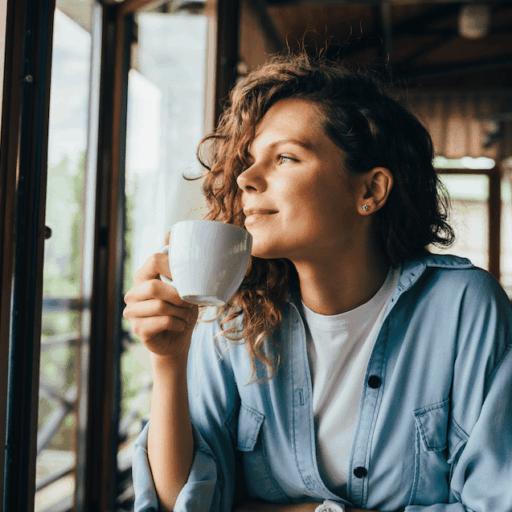
The distraction machine also known as the internet does its best to drag us into the digital ether, a world of endless scrolling. We all succumb to it. But it doesn’t have to be this way, as Jodie Jackson, a specialist in the way the brain forms habits, wrote for us.
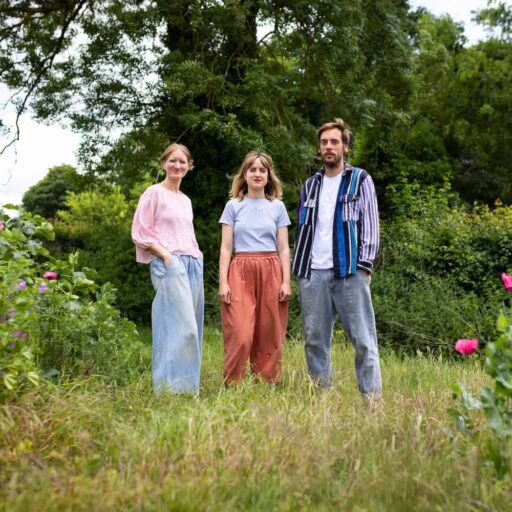
Speaking of taking on the tech giants, our report on the Smartphone Free Childhood movement got a big response from readers. The campaign was launched, ironically, after an Instagram post by former Positive News editor Daisy Greenwell went viral. It comes as more countries are calling time on smartphones in school, with some encouraging results.
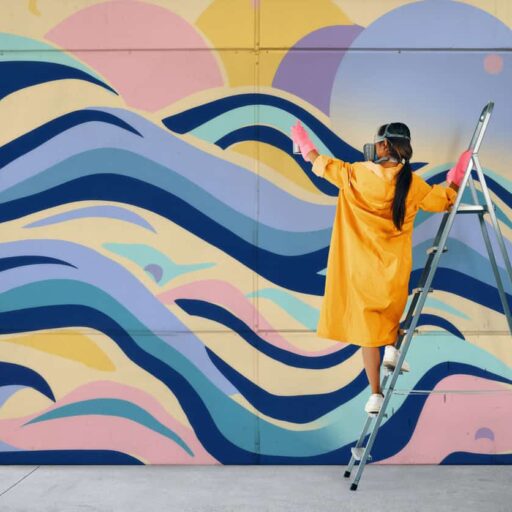
“You can’t use up creativity. The more you use, the more you have,” said the writer, poet and civil rights activist Maya Angelou. Still, many of us struggle to set time aside for creative pursuits. Here are five ways to fit creativity into the every day.
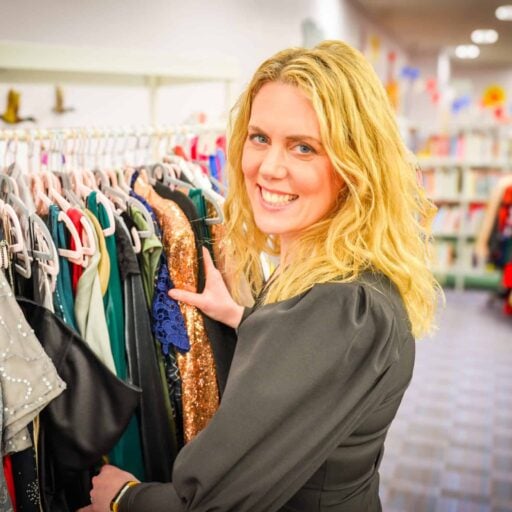
London, Paris, Milan … and now Shropshire, where a pioneering shared wardrobe scheme means you can visit the library and leave with a fresh outfit. A rebuke to fast fashion, With Love From… was launched by Lizzie Dibble, who loans clothes out at her local library – and hopes to roll out the idea elsewhere.
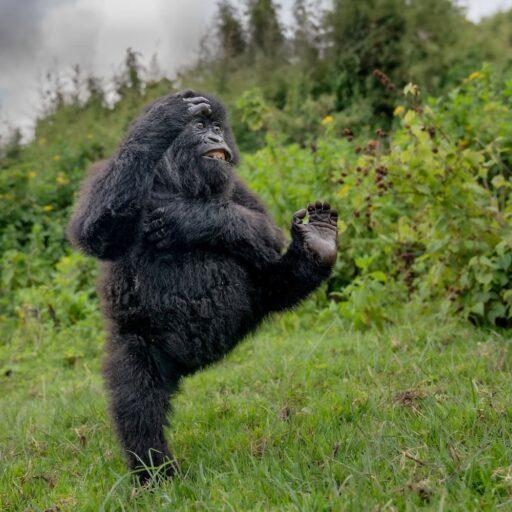
Swathes of the internet are devoted to cute animals, so it was no surprise that our story about the Comedy Wildlife Awards blew up. Spoiler alert, it was the dancing gorilla what won it.
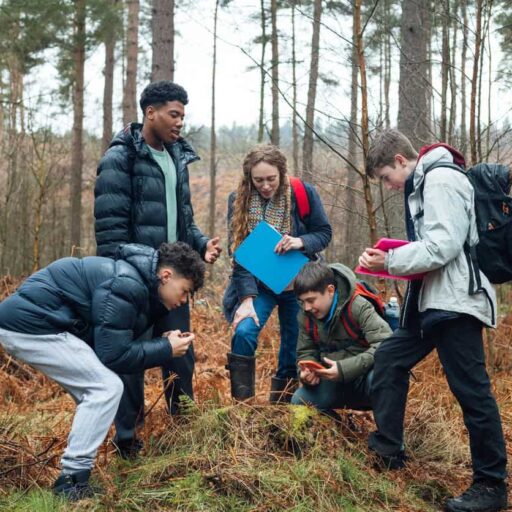
In a welcome shakeup of the school curriculum, the introduction of GCSE qualification in natural history was given the go-ahead by the UK government, paving the way for children to “understand and protect the nature on their doorstep and beyond”.
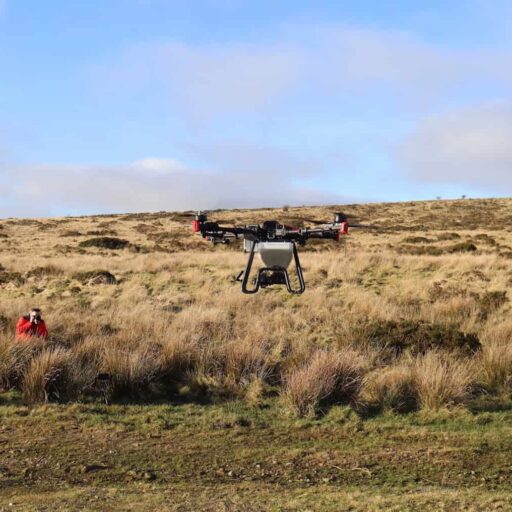
While the rise in drones raises many concerns over safety and privacy, they do have some good uses. In fact, the UK’s largest woodland conservation charity is enlisting the technology to restore temperate rainforests in hard-to-reach places.
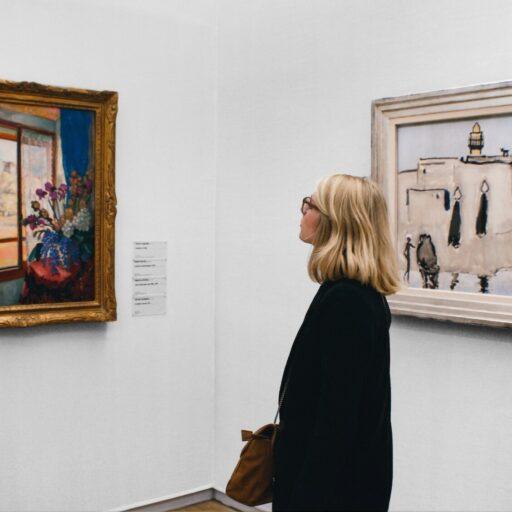
“Art washes away from the soul the dust of everyday life.” So Pablo Picasso supposedly said, while pontificating on the power of his profession. He was half right. According to new research, viewing art reduces stress and inflammation. “Cultural experiences may play a real role in protecting both mind and body,” researchers concluded.
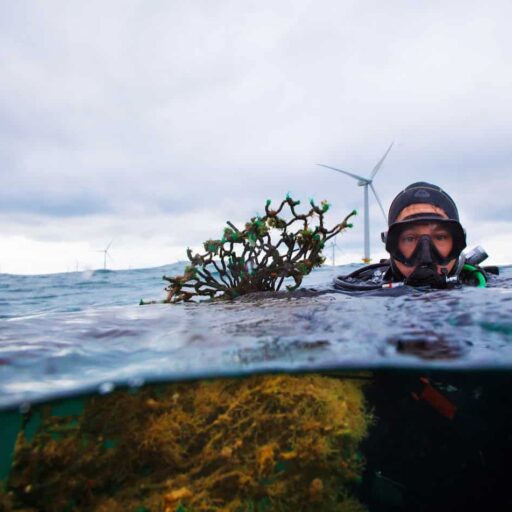
While our editors were all at home in the warm, we sent writer Sam Haddad to the sea off Brighton to retrieve discarded fishing nets from the water. Haddad joined the growing groups of volunteers who are retrieving the ‘ghost gear’ to protect marine life. Here’s her report.
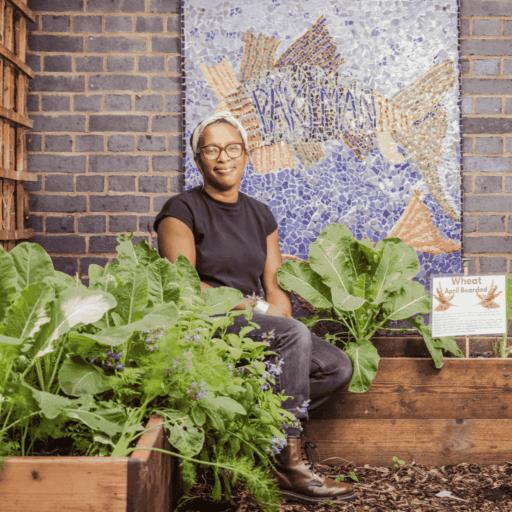
Its puns are many, its passion for better bread singular. Enter the Real Bread Campaign, which quite simply aims to democratise proper bread. We featured them in February and readers were keen for a slice of the action.
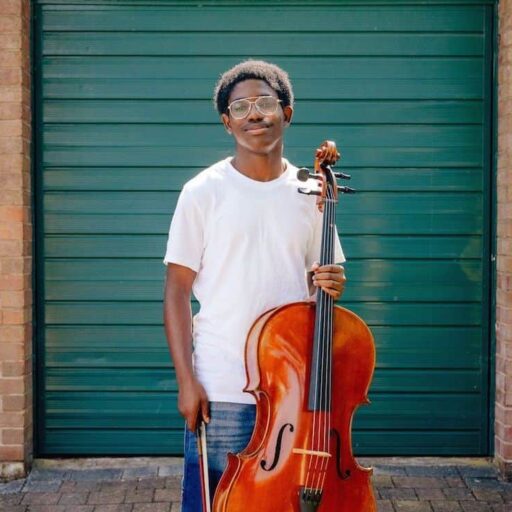
One of our four cover stories this year was this piece about the thousands of musical instruments that are thrown away every year – and the growing number of UK schemes giving them, and the children who play them, a second chance. Uplifting stuff.
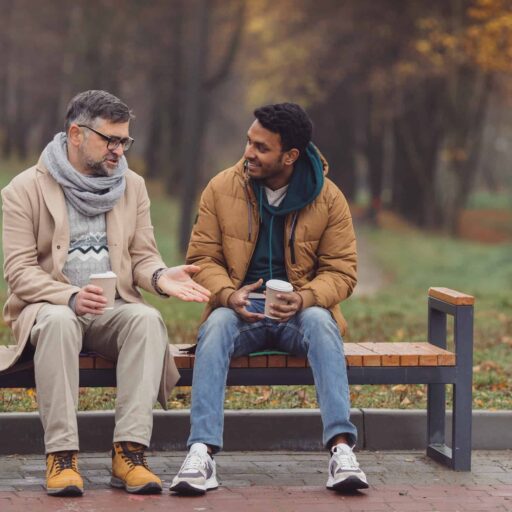
Fed up of discussing the weather? You’re not the only one. But lo, here are five ways to initiate deeper, more engaging conversations, published – handily – just in time for Christmas family gatherings.
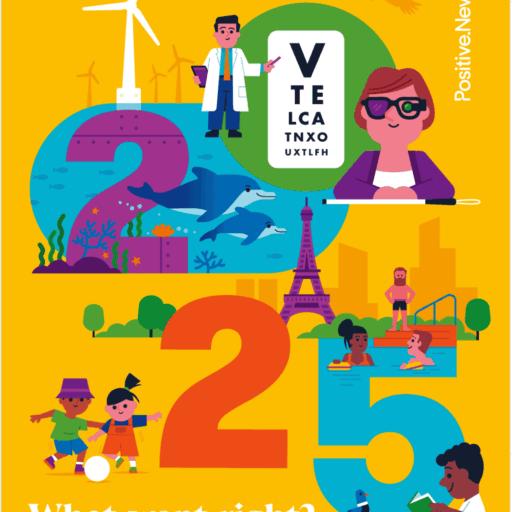
Scientists treated the “untreatable”, species came back from the brink, solar surged, deforestation fell, rivers were revitalised, and the smartphone-free childhood caught on, plus lots of other things that went right in 2025.

The UK is about to get Europe’s largest oyster reef, as Positive News reported in December. Some four million native oysters are set to be returned to an artificial reef off the coast of Norfolk (main picture) in eastern England. Conservationists say the project could transform local waters and provide a model for marine restoration across the continent.
Image: Philip Silverman/iStock
Main image: Emma Critchley