Amid a volatile landscape of grassroots venue closures, low streaming royalties and a cost of living crisis, artists and community champions are banding together to keep the music flowing
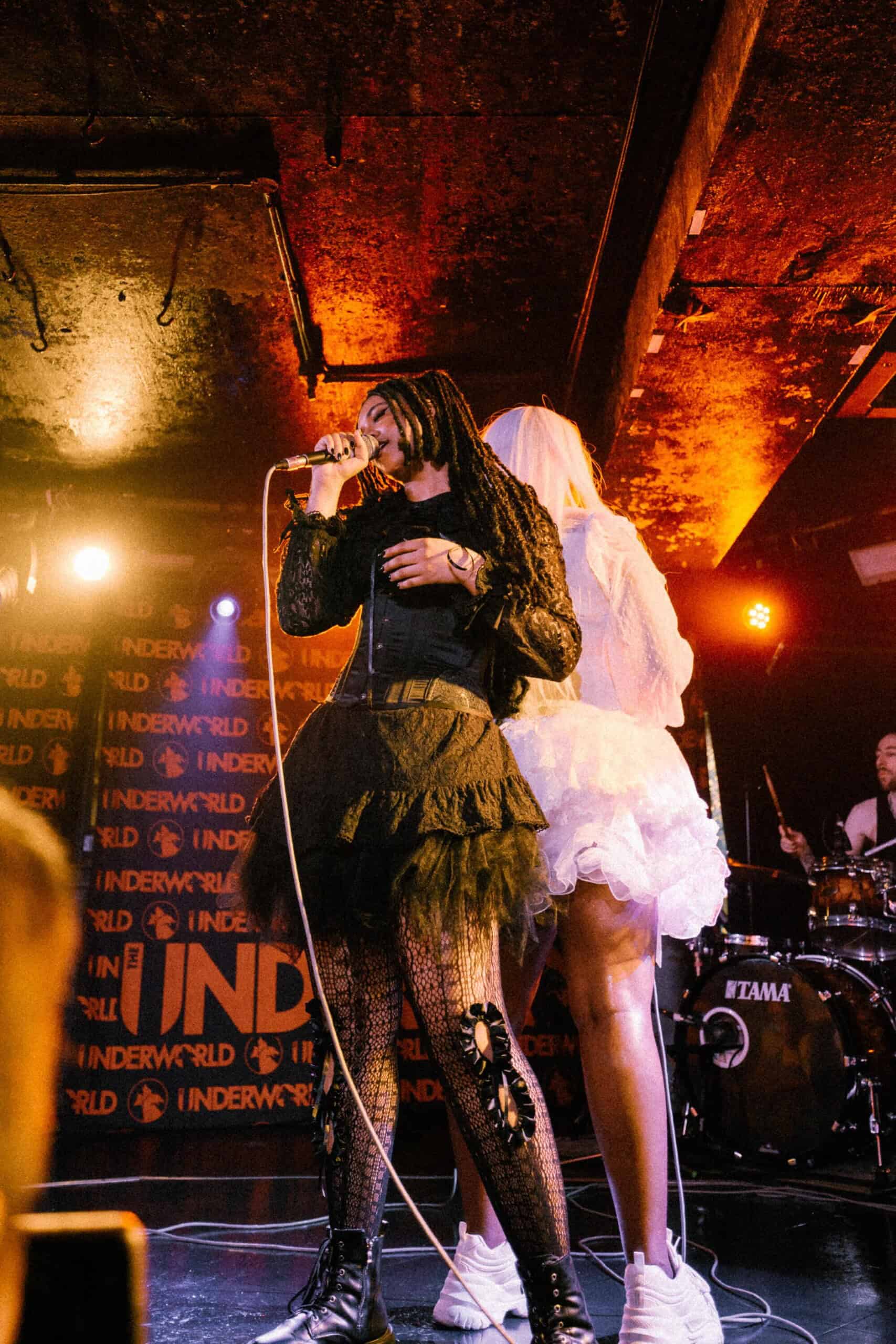
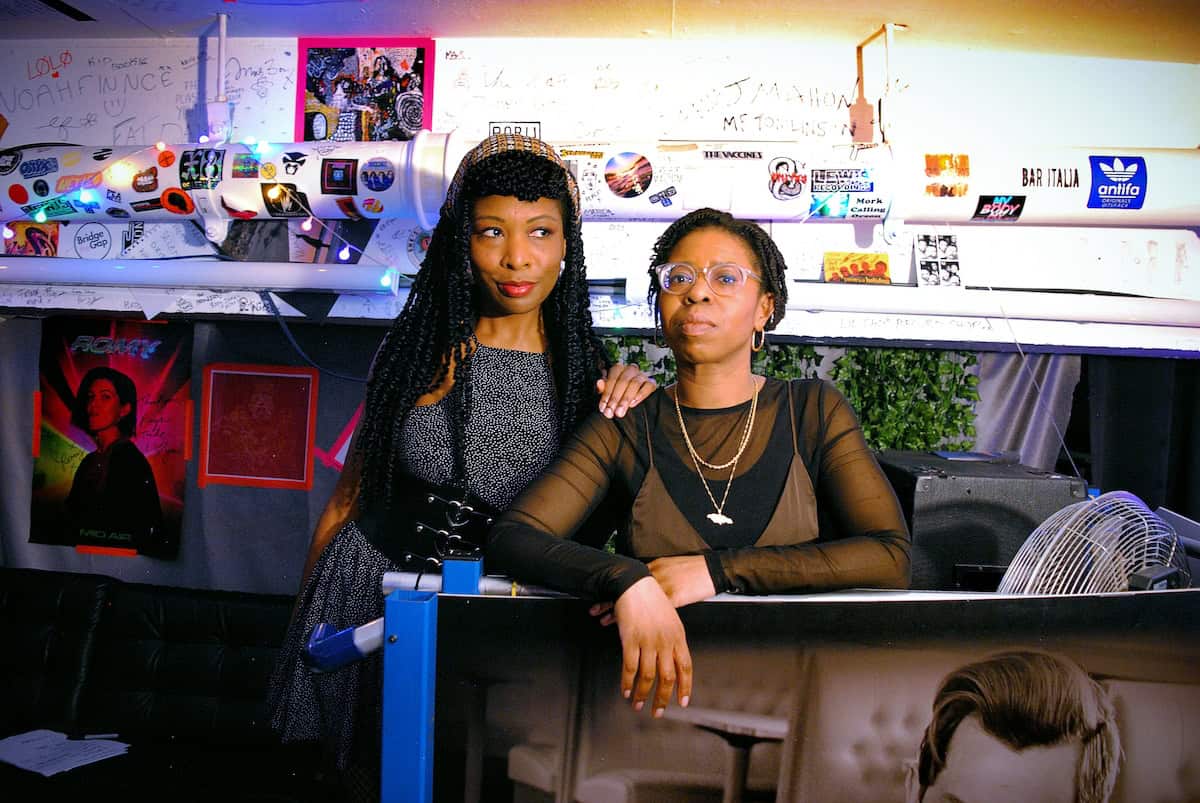
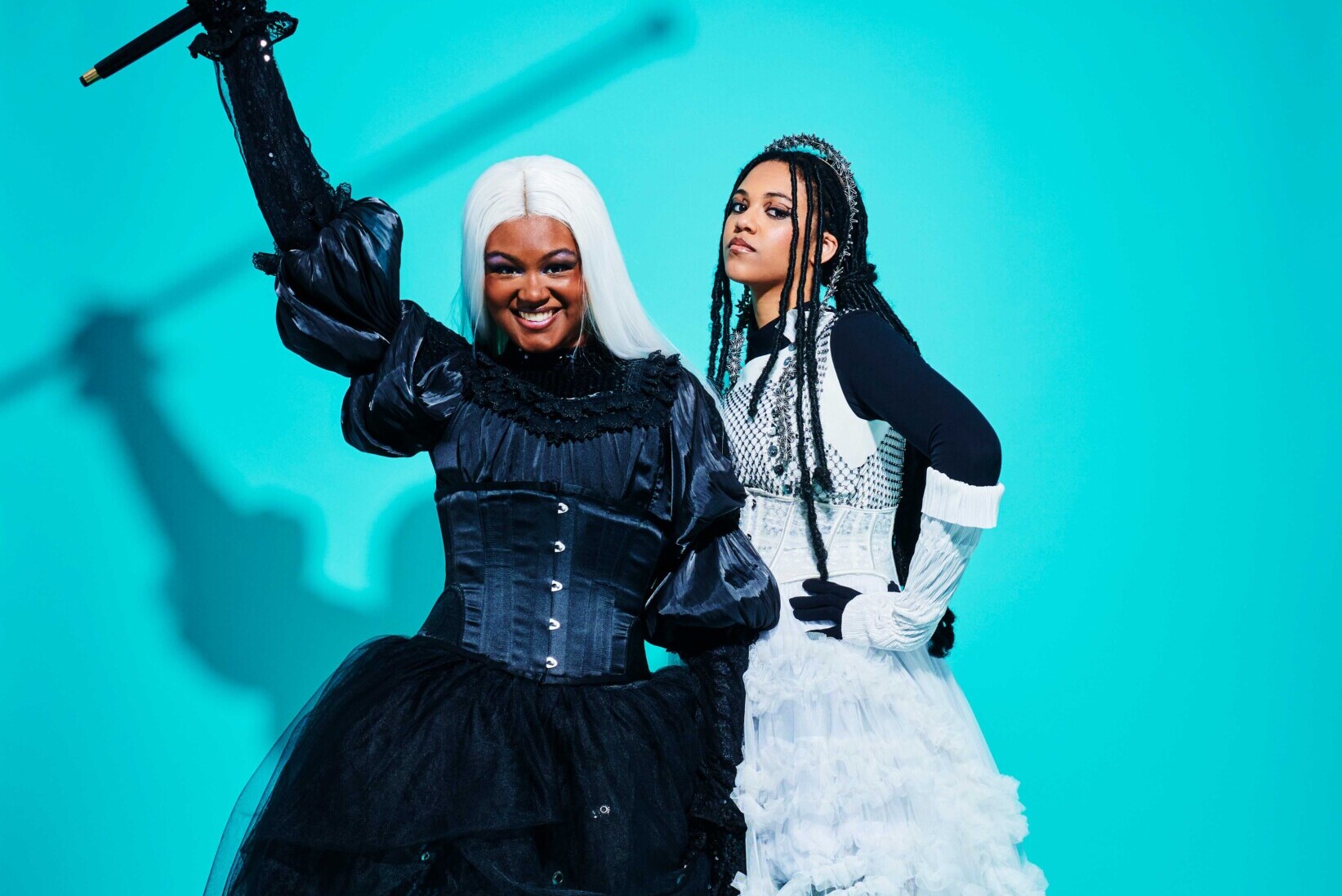
The walls of Camden Underworld feel almost alive. Heat rises from the 500 bodies that are packed under low ceilings, the air humid with anticipation. Beneath a north London pub, bass thuds through concrete like a second pulse. On stage, Alt Blk Era – sisters Nyrobi and Chaya Beckett-Messam – unleash a set that fuses metal, punk, hip-hop and drum’n’bass. The latter wears black, from boots to eyeliner, while Nyrobi is all in white, topped with a storm of wigged hair. The mosh pit surges and heaves, a whirl of limbs and ecstatic shouts. The smells of beer and sweet sweat mix with the tang of the dry ice machine.
The pair began writing songs during lockdown, swapping ideas in their bedrooms and sharing online, before stepping on to bigger stages with a confidence that’s far beyond their years. They’ve since gone from local gigs to a packed Glastonbury set, won a Mobo (music of black origin) award for best alternative music act, and built a devoted following of fans who turn up, rain or shine. Their sound – fierce yet playful – isn’t the kind that fits neatly into a record label marketing plan, and they know it.
“We have always pushed boundaries and never wanted to compromise our brand, music or message to fit in with other people’s ideas,”says Nyrobi. Alt Blk Era were one of the lucky recipients of funding that allowed them to grow organically and outside of the mainstream record labels. “Applying to the foundation gave us this independence to grow on our own terms, particularly when the system feels so broken. We saw it as a chance to get support from people who understand the value of originality, especially for artists like us who don’t fit neatly into one box.”
The body in question is PRS Foundation, the UK’s leading charitable funder of new music. The foundation is funded in part by PRS for Music, which collects royalties for songwriters and publishers when their work is streamed, played on radio, or broadcast, and by Arts Council England, as well as other trusts and donors. The funding is then awarded as grants for emerging artists.
Since 2000, PRS Foundation has invested over £50m into more than 9,000 new music projects. Six of the last seven Mercury prize winners have received its support. Alt Blk Era used their grant to record Rave Immortal, an album that went straight to number one in the rock and metal charts, and to tour the US, including a slot at Austin’s SXSW festival – the same stage where Billie Eilish, Florence + the Machine and countless others were spotted before they broke through.
“Funding has helped us in so many ways,” says Nyrobi. “We’ve been able to take our live shows to new spaces, reach international audiences and build real momentum.”
That momentum is harder to sustain than it once was. Britain’s culture budget has been cut by 6% since 2010, while Germany and France have increased theirs by up to 70% over the same period. For working-class musicians, the barriers are even higher: they’re now four times less likely to work in the creative industries than their middle-class peers.
The shift from record sales to streaming has made things tougher still. Spotify’s 2024 figures claimed the company paid out £750m in royalties to UK artists, but with payouts between £0.002 and £0.004 per stream, an artist needs 50,000 plays to earn just £100. Only 0.4% of UK artists make a living from streaming alone.
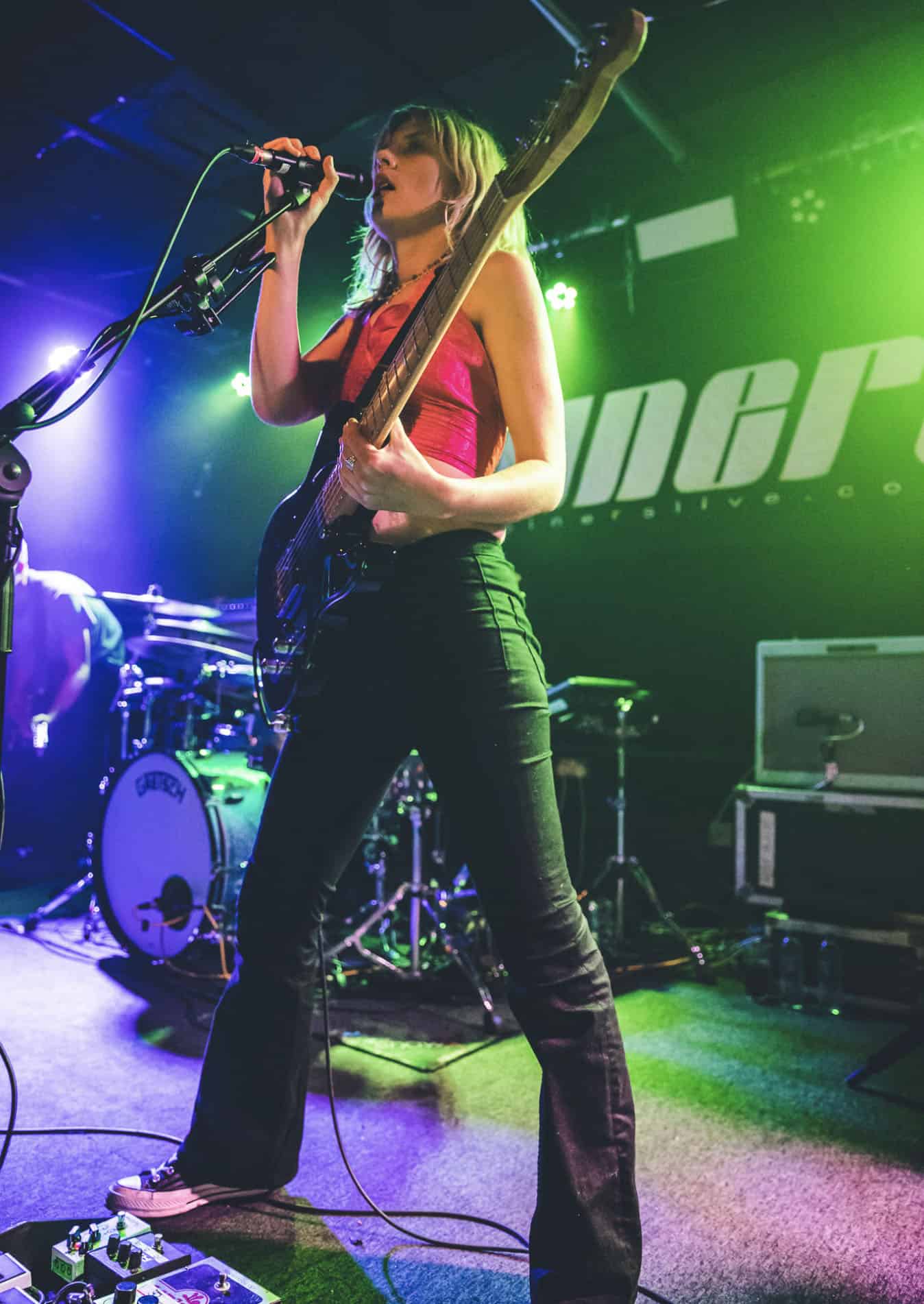
“Everyone knows money from streaming is a pittance and you don’t sell as many albums any more so that money is unreliable,” says Stephanie Phillips of feminist punk trio Big Joanie. “Everything is much more expensive than it used to be, but revenue from live shows has not gone up.”
Playing a show is worth a hundred hours of practising in your bedroom
For Big Joanie, a PRS Foundation grant to promote their second album Back Home meant they could mount a proper campaign. “The new audiences we were able to reach from its release were down to the campaign that was paid for by the funding,” says Phillips. “This support helped us get more press coverage, which helped us tour and build a bigger fan base. One thing impacts the other so you definitely need funding at the beginning of an album campaign to build your fan base.”
Live shows are often the most reliable source of income for artists now, and with them comes the potential sale of T-shirts, vinyl and other merchandise. But the venues hosting these gigs are under threat.
In Bedford, Gareth Barber sits in the upstairs room of Esquires, the 250-capacity venue he runs. The space is warm and close, its green room walls covered with the signatures of bands who’ve passed through: Coldplay, Muse, Franz Ferdinand. The building, a converted 19th-century chapel, has a faint echo when empty – but packed out on a Saturday night, it shakes under the weight of dancing feet. Now the building is up for sale, and Barber fears it will be turned into fats.
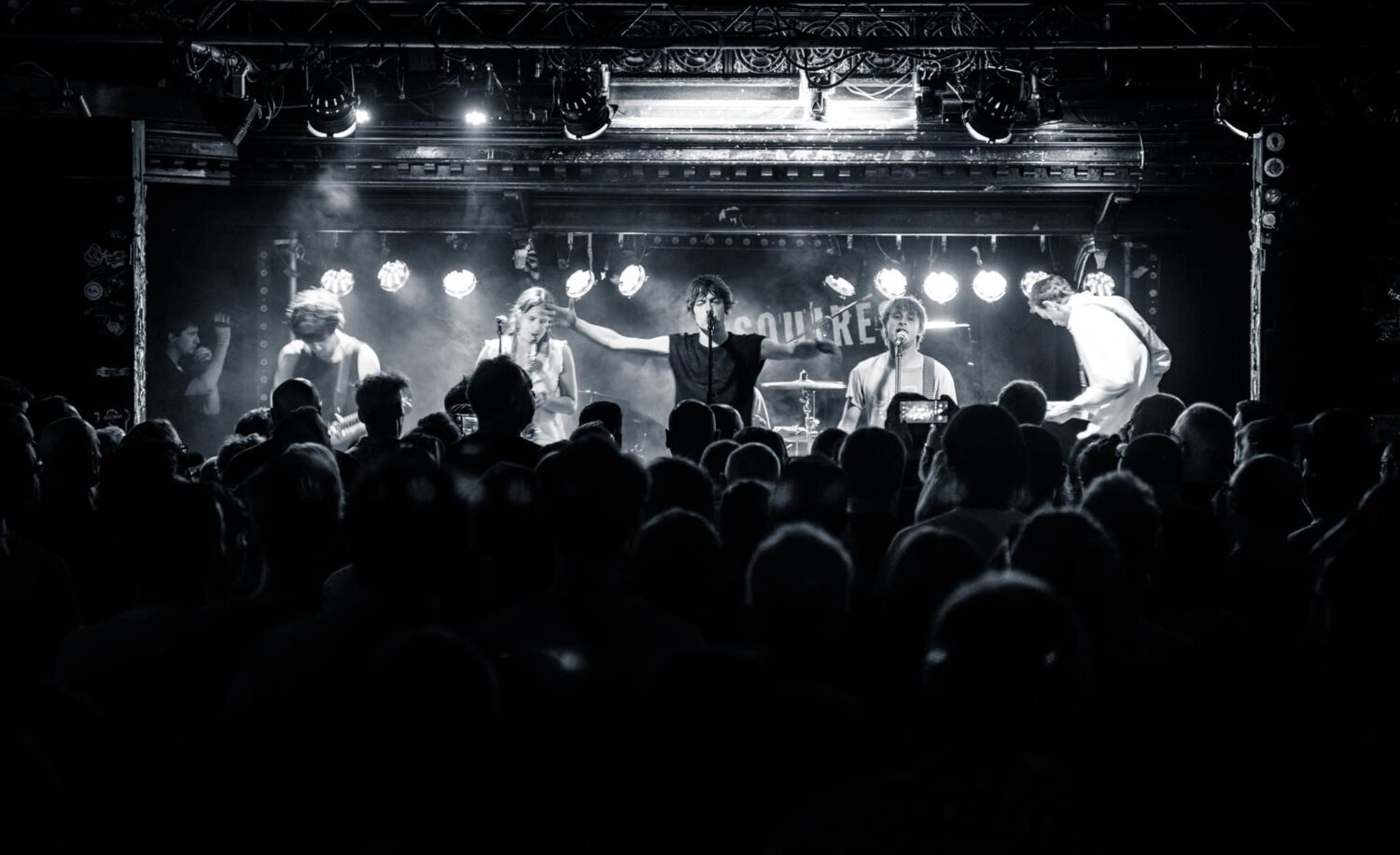
Esquires in Bedford is facing an uncertain future, but help is on hand
He’s working with the Music Venue Trust (MVT), whose Own Our Venues scheme buys buildings through community investment and places them under a cultural lease to protect them from development. It has recently saved iconic music venues including The Ferret in Preston, The Croft in Bristol and The Joiners in Southampton, venues being actively marketed for sale. “Their operators were really suffering with the stress and uncertainty,” says Matthew Otridge, chief operations officer of Music Venue Properties, the charitable community benefit society created by MVT. “It’s good to be able to support people who are integral to supporting so many others in their cities.”
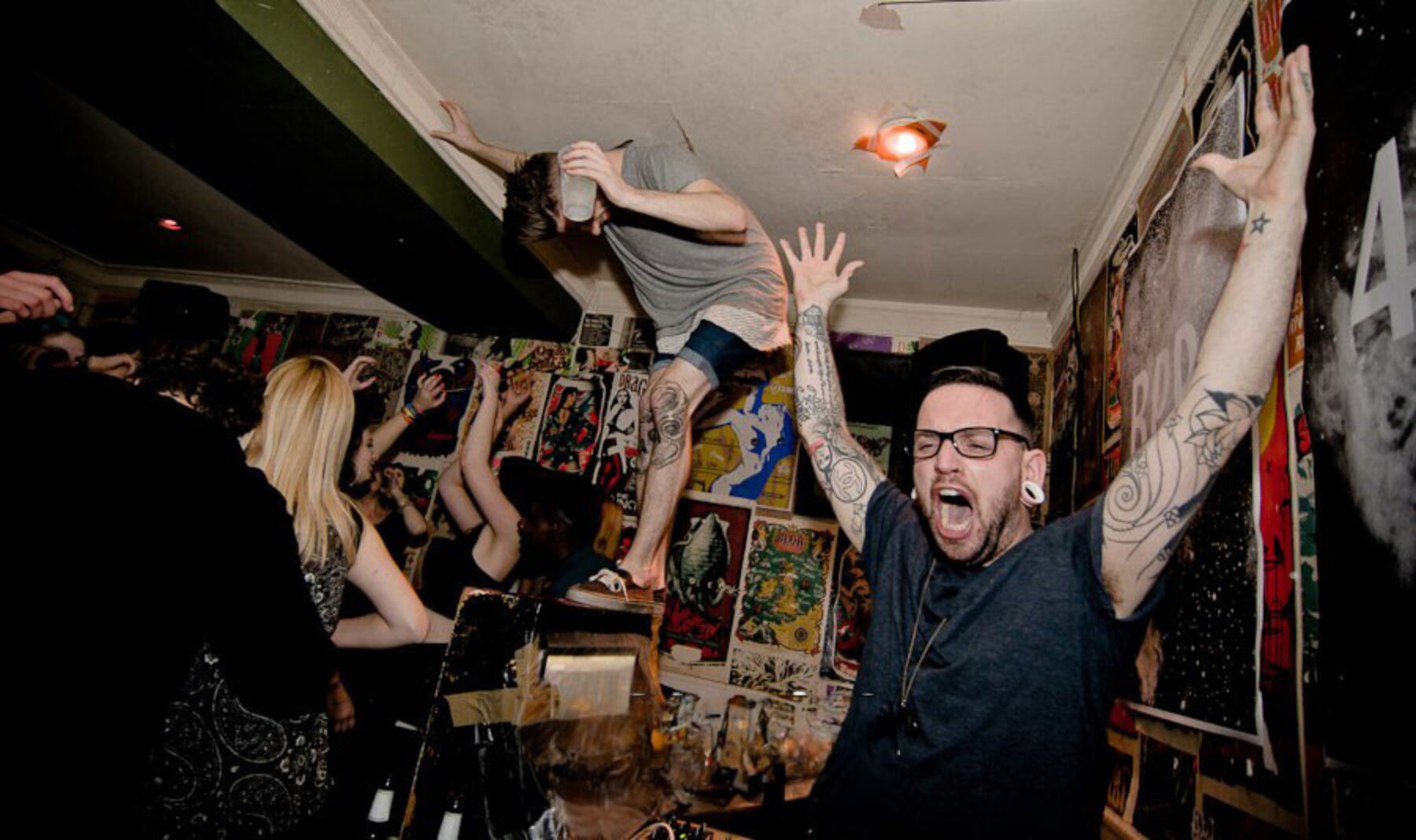
The scale of the challenge is clear. In 2023, 125 music venues closed, and more than 40% of UK grassroots venues operated at a loss last year. Punk rocker Frank Turner, an MVT patron who has played more than 3,000 gigs, knows their value. “Playing a show is worth a hundred hours of practising in your bedroom,” he says. “Learning how to talk to a crowd and build an audience happened in those places, and it allowed me to work up to larger venues like Alexandra Palace.”
While proposals for an arena ticket levy – adding £1 to big gig tickets to support grassroots spaces – are still under discussion, Turner acted on his own, donating £1 from every ticket sold on his 2025 tour to MVT. “Live music is noisy and cannot be repeated in virtual environments,” he says. “If these spaces die, then it won’t happen. During Covid, we had a taste of that – and I for one found it pretty grim.”
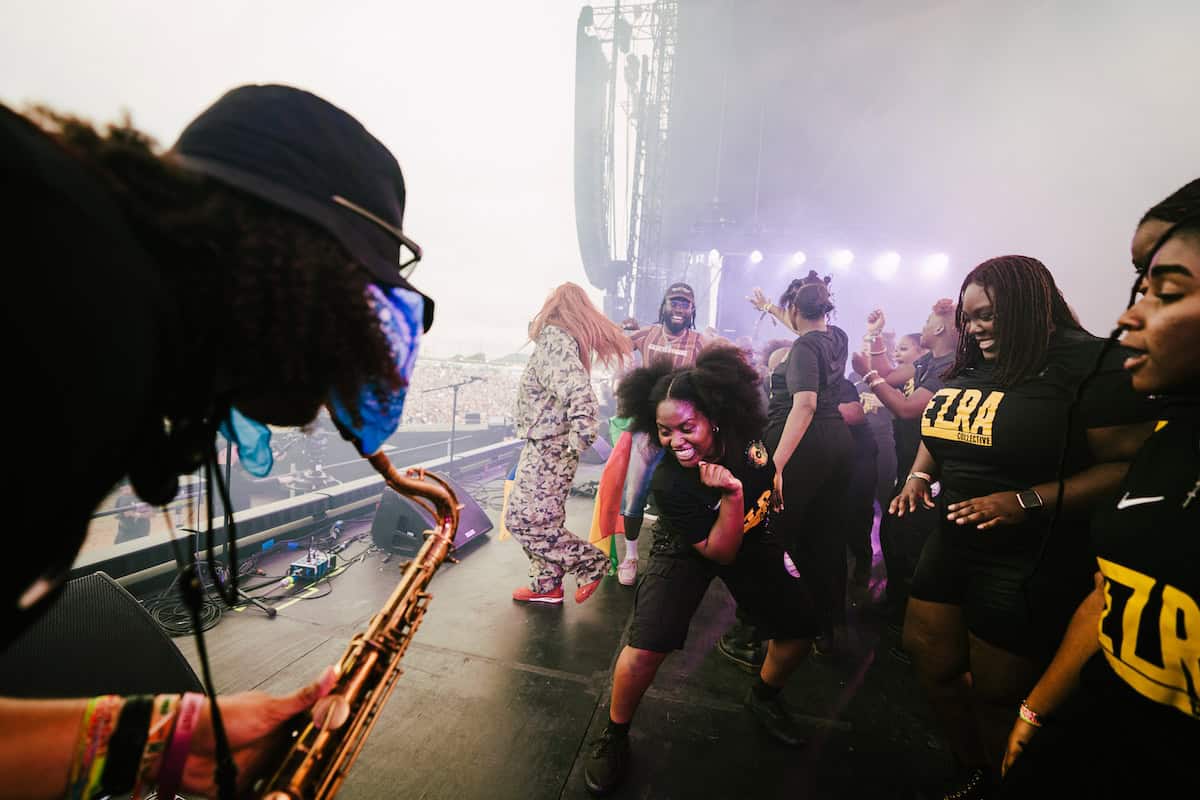
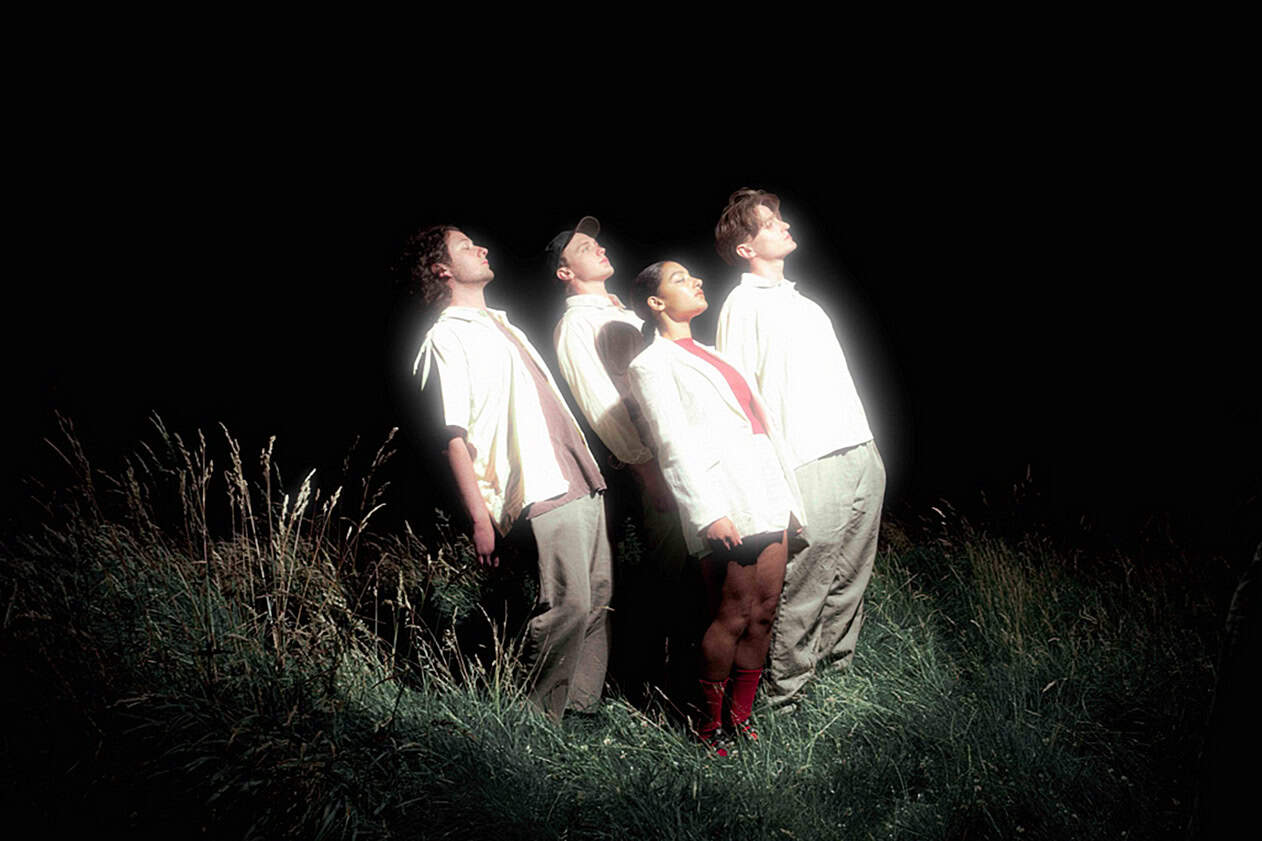
The Mercury prize-winning Ezra Collective began their journey in a youth club. The Kinetika Bloco is an organisation that brings together 14–18-year-olds for music camps to create a joyous mix of brass, woodwind, drums and steel pans. It’s where the Ezra Collective first formed.
“Among the young people we work with, many are starting their own bands and creative artist projects earlier than before,” says CEO Tamzyn French. “Previously it was in their 20s, now it’s in their teens. They’ve seen the success, are digitally literate and their attitude is: ‘We can do it now’.”
Ezra’s drummer, Femi Koleoso, has become a vocal advocate for Kinetika Bloco, even inviting some of its young players to join the group on stage at Glastonbury. “Experiences like Glastonbury are life-changing for our young people,” says French. “And often, once they have been part of a community organisation like ours, they understand the importance of giving back.”
Our society loves music but often forgets what it takes to make a career from it
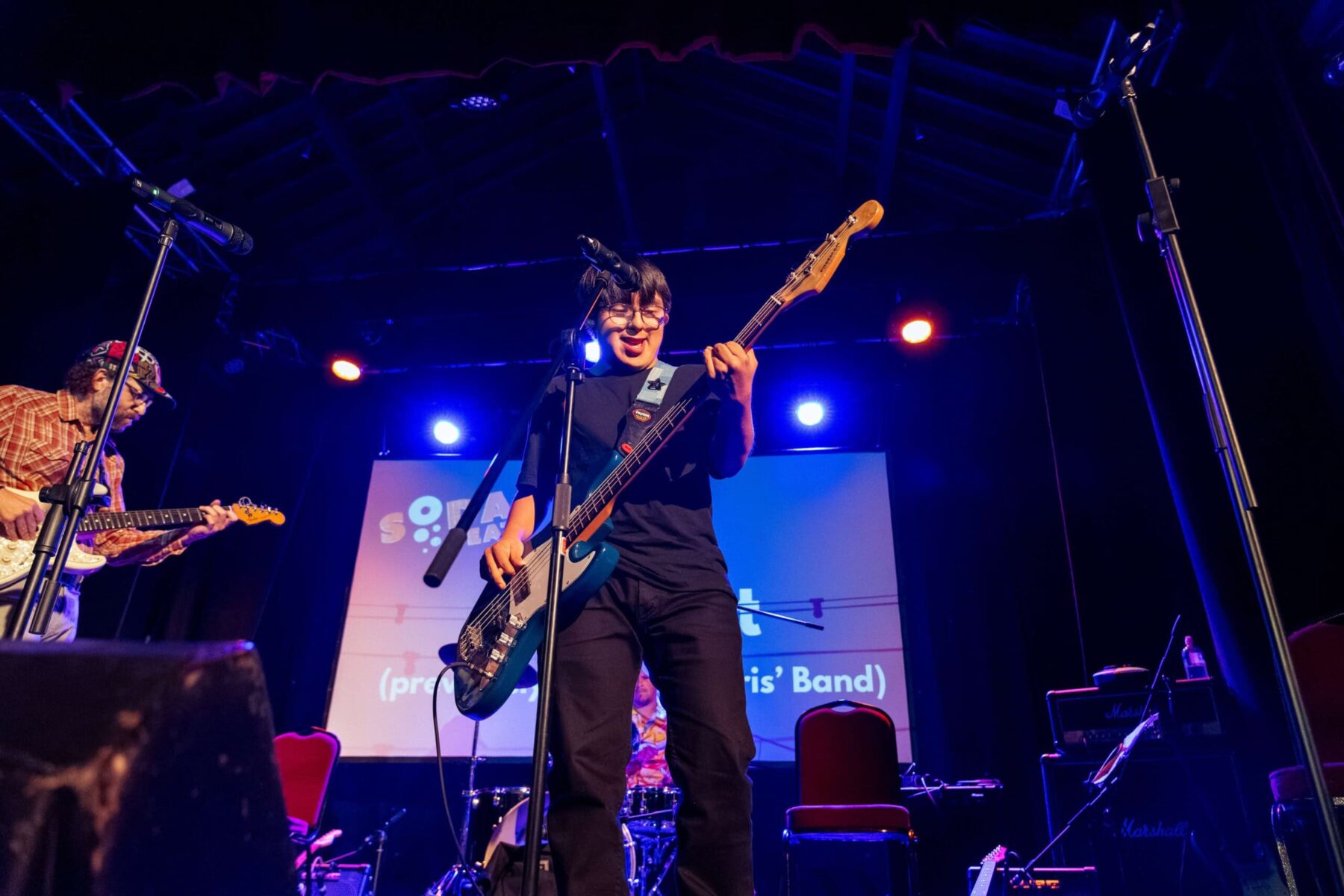
Youth Music, a national charity, supports acts including Alt Blk Era and organisations like Kinetika Bloco as well as hundreds more. It has funded Club Soda based in Croydon, south London, which helps people with learning disabilities make music, and Link Learning’s music tech classes in Sheffield. Backed by the Arts Council England, industry sponsors and the People’s Postcode Lottery, it funded opportunities for more than 80,000 young creatives in 2024, with 87% of funding going outside London.
The Leeds-based band English Teacher were among the recipients of Youth Music’s NextGen fund, which offers £3,000 grants plus practical advice on the business side of music to 18–25-year-olds. Last year, English Teacher became the first group outside London to win a Mercury prize in a decade for their debut album, This Could Be Texas.
“Our society loves music but often forgets what it takes to make a career from it,” says Youth Music CEO Matt Griffiths. “It’s down to us to support ambition as much as possible.”
Main image: Celebrations at The Croft in Bristol. Credit: MPV
Be part of the solution
At Positive News, we’re not chasing clicks or profits for media moguls – we’re here to serve you and have a positive social impact. We can’t do this unless enough people like you choose to support our journalism.
Give once from just £1, or join 1,700+ others who contribute an average of £3 or more per month. Together, we can build a healthier form of media – one that focuses on solutions, progress and possibilities, and empowers people to create positive change.